
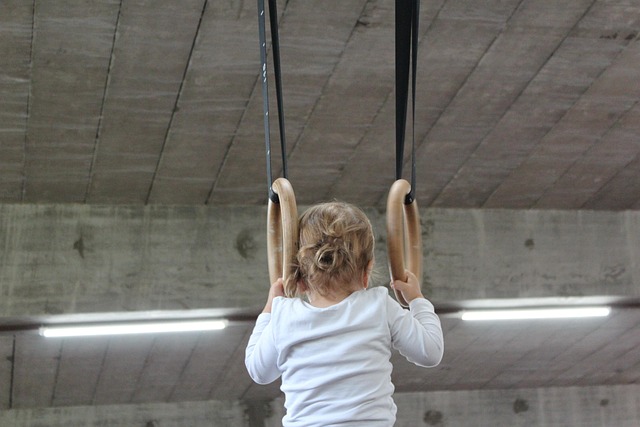
Best Home Gymnastics Equipment for Training Anytime 

A dedicated training area is essential for safe and productive practice. The first consideration is flooring, as a stable yet cushioned surface prevents unnecessary strain on the body. High-quality mats provide the right level of support for tumbling and stretching exercises, making them one of the most important investments for home training. Some mats are designed for general exercises, while others offer additional padding to absorb impact from jumps and landings. 

Another essential piece of home gymnastics equipment is a balance beam. A low beam helps gymnasts refine foot placement, coordination, and stability before transitioning to higher surfaces. Training on a sturdy beam builds confidence and ensures that movements remain precise, even during complex routines. 

Building Strength and Flexibility 

A well-rounded training routine requires equipment that enhances both strength and flexibility. A pull-up bar is an excellent addition to any home setup, as it helps gymnasts develop upper body endurance. Regular use of this bar strengthens the shoulders, arms, and core, all of which are essential for executing controlled movements in various routines. 

Resistance bands are another useful tool for flexibility training. These bands allow gymnasts to stretch safely, improving their range of motion and preventing stiffness. Stretching consistently is key to executing advanced movements with fluidity and reducing the risk of injuries. 

Parallel bars are also a great choice for those focusing on upper body strength. This apparatus supports core development and improves grip control, both of which are crucial for mastering routines that require sustained holds and smooth transitions. Even at home, gymnasts can use compact parallel bars to refine techniques that involve swinging and controlled balance. 

Improving Aerial and Agility Skills 

Developing agility and coordination is just as important as strength training. A mini trampoline is a valuable addition to a home gym, offering a safe way to practise jumps, twists, and flips. By training on a trampoline, gymnasts can refine their mid-air control and build the confidence needed to perform similar movements on the floor. 

A vaulting block is another useful tool for gymnasts working on explosive power. It provides a stable platform for practising take-offs and landings, ensuring that gymnasts can improve their technique in a controlled environment. The ability to push off a vault correctly is a critical skill, making this training tool beneficial for those aiming to perfect their vaulting sequences. 

Enhancing Safety with Support Equipment 

Ensuring a safe training experience at home requires the right support accessories. Wrist guards and ankle braces provide additional stability during high-impact movements, reducing the risk of strain or injury. These protective items help gymnasts train for longer periods while maintaining comfort. 

Hand grips are essential for those incorporating bars into their training. They improve grip strength and prevent blisters, allowing gymnasts to focus on executing movements without discomfort. Consistent use of grips ensures that training remains smooth, especially during extended sessions. 

Sprung flooring is an ideal addition for those who have the space to accommodate it. This type of flooring minimises impact on joints while offering the right level of bounce for tumbling and jumping exercises. Although not every gymnast has access to professional-grade flooring at home, using well-padded surfaces helps replicate the support provided in a gym environment. 

Choosing the Right Equipment for Home Training 

Selecting the best home gymnastics equipment depends on a gymnast’s skill level and training goals. Beginners benefit from basic tools such as mats, beams, and pull-up bars, while advanced athletes require additional apparatus to refine complex techniques. Investing in durable and well-designed training gear ensures that gymnasts can continue progressing in a safe and structured way. 

With the right setup, home training can be just as effective as practising in a professional gym. A combination of strength-building tools, flexibility aids, and impact-reducing surfaces provides gymnasts with everything they need to improve their performance. By choosing high-quality equipment, athletes can train anytime and refine their skills without limitations.


Martial Arts Mats: Choosing the Right Surface for Combat Sports 

Training in combat sports requires more than just skill and discipline—it also depends on having the right surface for safe and effective practice. The right flooring reduces the risk of injuries while enhancing stability, making it a crucial factor for both beginners and experienced fighters. Whether for home training or professional dojos, selecting the appropriate martial arts mats ensures athletes can train with confidence and precision. 

Why Surface Quality Matters in Combat Sports 

A strong foundation is essential for martial artists to perform techniques with control and accuracy. Poor-quality flooring can lead to slips, joint strain, or insufficient impact absorption, all of which can affect performance and safety. Martial arts mats provide the necessary grip and cushioning to support a wide range of movements, from fast footwork to high-impact throws. 

Different combat sports require varying levels of cushioning. While striking disciplines such as karate and taekwondo benefit from firmer surfaces that allow quick movements, grappling-based sports like judo and Brazilian jiu-jitsu demand extra padding to protect against falls. Finding the right balance between firmness and shock absorption is key to ensuring a safe and effective training environment. 

Grip and Stability for Precision Movements 

Maintaining proper footing is essential in martial arts, where stability plays a critical role in executing strikes, blocks, and defensive manoeuvres. Mats with a textured surface provide the necessary traction to prevent slipping, allowing fighters to focus on technique rather than worrying about their footing. 

A surface that is too slick can lead to instability, particularly in fast-paced sparring sessions. Conversely, mats that offer too much grip may restrict movement, making it harder to pivot or transition smoothly between techniques. High-quality mats strike the right balance, giving athletes the confidence to move freely without compromising control. 

Impact Protection for Safe Training 

In disciplines that involve throws and takedowns, impact absorption is a top priority. A well-cushioned surface reduces stress on the body, minimising the risk of injuries during training. Martial arts mats designed for grappling sports are typically thicker, offering extra padding to protect athletes when landing from high falls. 

For striking-based martial arts, mats with moderate cushioning provide enough comfort without sacrificing stability. Fighters need a firm base to generate power in their kicks and punches while still having some level of shock absorption to reduce fatigue during extended sessions. Selecting the right mat thickness ensures that both movement and safety are optimised for the intended sport. 

Durability and Maintenance Considerations 

Frequent training sessions put significant wear on flooring, making durability an important factor in mat selection. High-density foam mats are built to withstand repeated use, maintaining their shape and performance over time. Mats with reinforced surfaces resist tearing and compression, ensuring long-term reliability. 

Maintaining hygiene is also essential, particularly in shared training spaces. Mats made from water-resistant materials are easier to clean, preventing the buildup of bacteria and sweat. Regular cleaning and proper storage help extend the lifespan of training surfaces, keeping them in top condition for years to come. 

Selecting the Best Mats for Training Needs 

Choosing the right martial arts mats depends on several factors, including the type of discipline, training intensity, and personal preferences. Those practising high-impact throws benefit from thicker mats with superior cushioning, while fighters focused on striking require a firmer surface to maintain speed and control. 

Investing in quality mats ensures a safer and more effective training experience. Whether for solo practice at home or a fully equipped gym, the right flooring enhances both comfort and performance. By selecting mats that balance grip, stability, and impact protection, martial artists can train with confidence, knowing they are supported by a reliable and well-designed surface.

Maintaining and Caring for Your Athletic Equipment

Athletic equipment is an investment that contributes to performance and safety. Proper maintenance extends the lifespan of gear, ensures effectiveness, and reduces injury risk. From shoes to protective gear, every item requires care and attention.

Cleaning and Storage

  • Shoes: Remove dirt after each use and allow them to air dry. Avoid direct sunlight, which can damage materials.
  • Apparel: Wash athletic clothing according to manufacturer instructions, using mild detergents to preserve fabric integrity.
  • Throwing Implements and Balls: Wipe down regularly and store in dry, cool areas to prevent corrosion or damage.
  • Protective Gear: Clean pads, braces, and helmets regularly to remove sweat and bacteria.

Inspection and Replacement

  • Check for Wear and Tear: Inspect shoes, mats, bands, and equipment for cracks, fraying, or worn-out parts.
  • Replace When Necessary: Overused or damaged gear can compromise safety and performance. Shoes typically need replacing every 300–500 miles or after one season of heavy use.
  • Regular Equipment Adjustments: Ensure spikes are tightened, straps are functional, and mats or boards remain stable.

Tips for Longevity

  1. Rotate Equipment: Alternating shoes, bands, or gear during training reduces wear and extends lifespan.
  2. Use Equipment Properly: Avoid overloading or misusing tools, which can lead to premature damage.
  3. Store in Controlled Conditions: Avoid damp, humid, or excessively hot environments.
  4. Follow Manufacturer Guidelines: Proper care instructions ensure gear remains effective and safe.

Maintaining athletic equipment is essential for safety, performance, and longevity. Regular cleaning, inspection, and proper storage prevent damage and extend the life of gear. Athletes who care for their equipment can train confidently, perform at their best, and reduce the risk of injury.

Are Your Supplements Really Working? How Science Separates Fact from Hype

Walk down any aisle in a chemist or scroll through an online store and you’ll be flooded with bold promises. Sleep better. Boost immunity. Stay younger for longer. It sounds tempting. But behind the glossy labels, the question hangs in the air: do these products actually deliver, or are we being sold hope in a bottle?

To start, it helps to ask where the claims come from. Marketing often shouts louder than science. A slogan may look persuasive, but without proper research it is little more than decoration. Reliable evidence usually hides in studies reviewed by experts, where methods and results are examined carefully. It may not prove perfection, yet it offers firmer ground than a celebrity endorsement or a glowing comment online.

Another clue sits on the label itself. If the list of ingredients feels vague, with “proprietary blends” replacing exact details, suspicion is reasonable. Science depends on clarity. A product willing to show every component, and in what amount, invites scrutiny. That openness does not guarantee results, but it lets the consumer weigh facts rather than fall for mystery mixtures.

Regulation adds another layer. Countries with strict oversight force companies to prove at least safety, and sometimes effectiveness, before selling. In those places, products are checked against standards rather than left to self-promotion. This oversight cannot remove all exaggeration, but it narrows the gap between promise and reality. Without it, the line between fact and hype blurs too easily.

This leads to a bigger issue: what people actually need. Some gaps in diet can be filled by the right supplement, but others may not exist at all. Taking capsules “just in case” risks wasting money or even creating imbalance. The smarter path is to identify a specific purpose iron for anaemia, vitamin D for lack of sunlight and then look for the right fit. That’s when effective vitamins and supplements earn their place: not as a catch-all fix, but as precise answers to real deficiencies.

Still, even good choices work slowly. Unlike painkillers that ease discomfort in hours, nutrients usually require weeks before changes appear. That delay creates room for hype, as companies promise speed biology cannot match. This mismatch between expectation and reality is one reason so many consumers feel uncertain, even disappointed, after trying multiple brands.

So how can someone know if their routine is working? The first sign may come from professional testing blood work that shows whether levels rise. Another is simply consistency. Skipping days or swapping brands constantly muddies the picture. Supplements are not quick tricks; they build quietly, and sometimes their benefits are felt only when the body resists stress better or recovers faster from fatigue.

None of this means supplements are useless. It means the bar for belief should be higher than a flashy ad. Science can be slow, imperfect, and sometimes inconclusive, but it remains the strongest tool we have for separating fact from fiction. When research lines up with personal need and quality checks confirm the contents, the product deserves attention. When those pieces are missing, caution makes more sense.

The landscape is messy, full of both genuine help and hollow promises. Effective vitamins and supplements are real, but they sit among countless bottles that may do little more than lighten wallets. The task is not to reject everything, nor to swallow anything on offer, but to weigh evidence and stay alert.

And perhaps the most honest answer is this: certainty is rare. Health is complex, bodies vary, and science keeps unfolding. What looks promising today may shift tomorrow as new trials emerge. That uncertainty is not a weakness it is a reminder to remain curious, sceptical, and ready to question every label that claims to change your life overnight.

Why Cross-Asset Correlation Is Gaining Relevance in Colombian FX Trading Models

The traders in the rapidly emerging financial sector in Colombia are developing new ways to better analyze global markets. In their search for ways to make better decisions, many traders are paying attention to correlations between various portfolio assets. These interrelations are referred to as cross-asset correlations and are assisting traders to identify trends and indicators that would have remained undetected. It entails the strategy of comparing the interaction of the currency with commodities, equity instruments, or interest rates to derive information which can be used to reinforce their strategies.

In Colombia, players are getting more conscious of the fact that it is seldom that currencies can move without accompanying food products. Currencies can be subject to the effects of the global events, oil prices, emerging market bonds and even the stock market index. When traders incorporate these factors and look at them collectively, they start getting more vivid images of what could be behind the demand or weakness in certain currency pairs. Such a mentality enables individuals to make wiser choices, particularly when they are unsure of the effect of one indicator alone.

Conducting FX trading in Colombia has become more complex following this wide-angle viewpoint. Traders have now found it necessary to keep track of the response of the Colombian peso not just to the local happenings but also the movements in the international equity using a currency to a better or worse performance in the commodities market like oil and gold. Colombia is a resource-rich economy, and oil prices in the market tend to correlate with the strength of the peso. The identification of such relationships allows one to have an advantage especially in creating models to predict market trends.

It is not all theory with this preoccupation with correlation. To understand how these assets move in relation to others, statisticians and traders apply statistical tools and software. This will assist them to minimize risk and identify new opportunities. In any case, when a currency has historically moved with another asset, but the increase has not happened yet, a trader may spot an opportunity. It is important not to focus on any specific asset type but construct a comprehensive perspective of the market.

Learning and the availability of information have contributed significantly to this trend. Cross-asset analysis has been adopted by a number of Colombian traders, especially those who self-study or engage in online forums as part of their activities. They are based on international examples and prove them in the local environment. Such a combination of the techniques is helping the community mature and stimulating a more thoughtful and research-based culture.

This multi-dimensional thinking greatly supports FX trading. There are many economic forces at work in the currency market, and across assets, traders are able to position themselves to react better. They are less susceptible to being shocked by unexpected actions and more prepared to justify the causes of a change. This is confidence building and helps traders sustain long-term participation.

Colombian traders are demonstrating that with the right tools and mindset, they can compete in a market that rewards insight and adaptability. Cross-asset correlation is not only a trend but a fundamental shift. It shows an underlying change in the way financial decisions are made. The more participants are learning this and applying the concept, the higher the quality of analysis becomes overall, and this will assist in creating a new era of FX trading in Colombia, informed and resilient in its evolution.

Making Smarter EUR/USD Decisions Through Multi-Timeframe Analysis

Traders are often told to look at the bigger picture, but few apply that advice consistently. Multi-timeframe analysis is not just a technique, it is a way to view the market from multiple angles before placing a single trade. For anyone active in EUR/USD trading, this method offers a well-rounded understanding of price action that can dramatically improve decision-making.

Each Timeframe Tells Its Own Story

Imagine a puzzle where every piece shows part of a larger image. That is what happens with timeframes. The daily chart may reveal a clear trend, while the one-hour chart shows a pullback, and the fifteen-minute chart captures short-term reversals. Each has its own tempo and rhythm, and combining them provides a layered perspective.

In EUR/USD trading, this is especially valuable. A trade setup may appear attractive on the one-hour chart, but a glance at the daily timeframe might reveal that price is sitting right below major resistance. By seeing both, a trader avoids chasing short-term moves into areas where price might stall.

Top-Down Analysis Prevents Confusion

Traders often become overwhelmed by conflicting signals. A moving average cross says buy, but a bearish engulfing candle appears moments later. The confusion usually stems from ignoring the broader structure. A top-down approach starting with the daily or four-hour chart and working down to the lower timeframes, adds context.

This structure helps identify where the market is likely headed and where current price action fits within that bigger trend. For example, if the daily chart shows a downtrend and the lower timeframes are showing bullish setups, traders may decide to skip those trades or adjust their targets. That added clarity improves risk management in EUR/USD trading.

Better Entry Timing from Smaller Charts

While higher timeframes guide the overall strategy, smaller ones offer precise timing. A daily candle provides direction, but the five-minute chart reveals when momentum truly shifts. Traders who wait for confirmation on lower charts often find cleaner entries and tighter stops.

Suppose a key support level on the four-hour chart has been tested and held. Dropping down to the fifteen-minute chart allows you to watch for patterns such as consolidation breakouts or false lows. These patterns offer insight into market strength and help refine your plan in EUR/USD trading.

Finding Alignment Across Timeframes

The most powerful trades occur when multiple timeframes align. If the daily chart shows a strong trend, the four-hour chart shows a pullback, and the one-hour chart is forming a reversal pattern, you have layered confirmation. This stacking of signals increases confidence and reduces the chance of entering into noise.

These alignments are not frequent, but they are worth waiting for. By staying patient and using all timeframes in harmony, traders reduce emotional decisions and operate with a structured plan. This consistency benefits both short-term scalpers and longer-term swing traders involved in EUR/USD trading.

Avoiding the Trap of Overanalysis

One risk of multi-timeframe analysis is falling into analysis paralysis. Looking at every possible chart can lead to hesitation. The key is to choose a primary trading timeframe and then use higher timeframes for structure and lower ones for execution. Do not treat all timeframes equally, or you will lose focus.

Choose two or three timeframes that complement your style. For example, if you trade the one-hour chart, use the daily for structure and the fifteen-minute chart for entry. This approach keeps your analysis focused without becoming overwhelming, leading to better outcomes in EUR/USD trading.

Are Asian Indices Becoming the Next Global Trading Hotspot?

The world of indices trading has traditionally been dominated by Western benchmarks such as the S&P 500, Dow Jones, and DAX. However, a significant shift is underway. Asian indices are increasingly attracting attention from traders around the world. From the Nikkei 225 and Hang Seng to the Nifty 50 and KOSPI, Asian markets are becoming essential components of diversified trading strategies.

Economic Growth and Rising Influence

Asian economies have been among the fastest-growing in the world over the past decade. Countries like China, India, Japan, and South Korea have become economic powerhouses, and their financial markets are evolving rapidly to reflect this status. As a result, their leading indices are gaining visibility and becoming reliable indicators of regional and global trends.

These indices often reflect sectors that are at the heart of technological innovation, manufacturing, and consumer expansion. For example:

  • The Nikkei 225 includes major Japanese firms in technology and manufacturing
  • The Nifty 50 represents a cross-section of India’s largest corporations
  • The Hang Seng captures both mainland Chinese and Hong Kong-based entities

This broad exposure makes Asian indices appealing to global traders seeking diversified opportunities.

Liquidity and Accessibility Improvements

Historically, one of the challenges with trading Asian indices was access. Foreign investors faced hurdles due to time zones, regulation, or platform limitations. However, with the rise of online brokerages and CFDs, access to Asian indices has improved dramatically.

Many global brokers now offer seamless trading on instruments like the Hang Seng Index, Nikkei 225, and Nifty 50. These markets also benefit from increasing liquidity, allowing traders to enter and exit positions more efficiently, even during periods of high volatility.

Extended Trading Hours as a Strategic Edge

Asian markets open before European and American sessions. This makes them attractive to traders who want to act on overnight news, test strategies during quiet Western hours, or build a full 24-hour trading plan. The early activity in Asian indices often sets the tone for the trading day ahead.

Professional traders also monitor Asian indices for potential leads. For example, a strong open in Japan or Hong Kong might signal bullish sentiment that could spill over into European and US markets. This interconnection is particularly helpful for traders managing global positions.

Risks and Challenges to Consider

Despite their potential, Asian indices come with unique risks. Political instability, regulatory changes, and currency fluctuations can significantly affect market behavior. For example, policy shifts in China or unexpected moves by the Reserve Bank of India can lead to sharp swings in related indices.

Additionally, some Asian markets are less transparent than their Western counterparts. Traders need to remain cautious and informed in Indices trading. Monitoring local news and understanding the economic landscape is essential for successful trades.

Why Traders Are Taking Notice

Asian indices appeal to those looking for:

  • Broader global exposure
  • Greater volatility and momentum plays
  • Opportunities that are not correlated with US or European indices

For swing and position traders in particular, the dynamic nature of Asian economies makes them suitable for medium- and long-term trades.

Asian indices are no longer overlooked in Indices trading. They are gaining ground in both popularity and performance, drawing interest from retail and institutional traders alike. Whether you are looking for early morning volatility, regional diversification, or exposure to high-growth economies, Asian indices offer an increasingly attractive playground. As global trading continues to evolve, staying ahead may mean looking east.

Silver’s Dual Role as Industrial and Precious Metal Asset

Silver occupies a unique position in the commodities world. It is both a precious metal and an industrial input, which means it responds to a broader set of economic forces than most other assets. This dual role gives silver an unusual trading profile. It does not behave like gold, nor does it fully mirror base metals. For traders in commodities trading, silver offers a complex but compelling opportunity.

A Store of Value with Utility

Silver shares some traits with gold. It has been used historically as money, and it still carries the perception of being a safe haven. When markets grow uncertain or when inflation rises, investors often turn to silver as a way to preserve wealth. Like gold, it is tangible, widely recognized, and resistant to devaluation.

However, silver has something gold does not: real-world utility. More than half of the global demand for silver comes from industrial use. It is used in electronics, solar panels, medical equipment, and batteries. This combination of monetary and practical value makes silver sensitive to both risk sentiment and manufacturing trends.

Industrial Demand Creates a Floor

The widespread use of silver in industry helps establish a baseline for demand. Even when investor interest fades, manufacturers still need silver. This demand gives the metal some price support during downturns, especially when economic activity remains strong in sectors like technology and energy.

Solar energy is a major driver of silver consumption. Photovoltaic cells require silver paste, and with renewable energy demand on the rise globally, silver’s industrial side is expected to grow. For traders involved in commodities trading, these long-term trends add strategic weight to silver positions.

Monetary Appeal During Volatility

On the other side, silver’s connection to gold makes it a go-to asset during times of financial stress. If inflation increases or fiat currencies weaken, investors often buy silver alongside gold. It tends to move more sharply than gold, making it attractive for those looking to amplify returns.

This volatility is a double-edged sword. While it can boost profits during rallies, it also increases risk during corrections. That is why many traders in commodities trading watch the gold-to-silver ratio closely. When the ratio stretches too far in one direction, it can indicate whether silver is undervalued or overbought.

A Unique Position in Portfolio Strategy

Silver’s mixed identity means it behaves differently depending on the economic environment. In a growth-driven market, industrial demand supports it. In a crisis, its precious metal side gains prominence. This dynamic allows it to play multiple roles in a portfolio.

Some investors use silver as a hedge, while others treat it as a growth asset. It also responds well to both inflationary and deflationary cycles, depending on the underlying cause. That flexibility makes it a favorite among more advanced participants in commodities trading.

Liquidity and Market Access Are Expanding

Another reason silver remains popular is accessibility. It is available through spot markets, futures contracts, and exchange-traded funds. This variety of instruments makes it easier to trade in multiple timeframes and across different strategies. Liquidity is deep, and bid-ask spreads are generally tight, allowing for efficient execution.

As more platforms integrate real-time data and technical tools for silver, it is becoming easier to spot breakout patterns, volume spikes, and institutional flow. In commodities trading, having access to these signals can make silver not just an alternative asset but a central one.

Silver is not just about shiny coins or high-tech components. It is a hybrid asset that bridges worlds. Its dual nature means it never sits still for long. That movement brings opportunity, and for traders who understand both sides of silver’s character, it offers a unique edge.