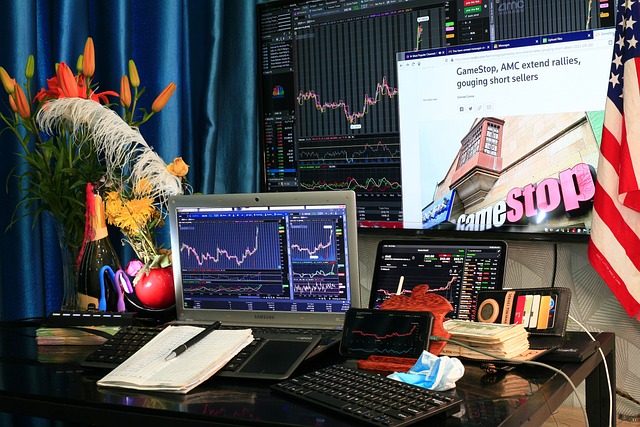

The Contract That Isn’t About Commitment

Not every contract locks you in. Some are designed for movement, flexibility, and fast reactions. In financial markets, one such tool gives traders the freedom to act on price changes without holding the actual asset. That’s the idea behind Contracts for Difference.

These contracts let traders speculate on the direction of a market. If they think the price will rise, they open a long position. If they expect a fall, they go short. But they never own the product. There’s no need to buy shares, take delivery of oil, or store any physical goods. The focus is on the price, nothing more.

Because of that, traders can react quickly to news, trends, and shifts in sentiment. This speed is part of what makes CFDs attractive. There’s no paperwork to handle or assets to transfer. A position can be opened and closed within seconds. For people who value timing, that kind of access matters.

CFD trading isn’t about collecting dividends or holding long-term positions. It’s about short windows, active decisions, and clear risk management. Since profits depend on the price difference between entry and exit, there’s no reward for waiting too long. Moves are often planned around events, data releases, or technical levels on a chart.

The beauty of this model is its wide reach. With one account, traders can access global markets, currencies, metals, energy, indices, and more. That range helps them diversify and adjust quickly as conditions change. A shift in the US dollar can lead to a move in gold. A tech sell-off might ripple into broader indexes. CFDs give traders the tools to act across the board.

Still, flexibility has its price. These contracts are leveraged, meaning traders can control large positions with smaller deposits. That also means small market moves can lead to large gains or losses. It’s a double-edged tool that requires attention and planning.

One benefit is the ability to take advantage of falling prices. Traditional investing usually means buying and hoping the asset rises. But with a CFD, traders can go short just as easily as they go long. This makes it useful in down markets or when hedging against other exposures.

There’s also the question of fees. Unlike buying shares directly, where costs might be fixed or come from exchange charges, CFDs often include spreads and overnight financing costs. These need to be factored into any trade, especially when holding positions beyond a single day.

Many traders who use this method develop clear systems. They rely on technical analysis, economic calendars, and news alerts. Since trades move quickly, hesitation can be costly. At the same time, emotional decisions tend to backfire. That’s why risk limits, stop-losses, and a written plan often go hand in hand with success.

What makes CFD trading different is that it doesn’t tie the trader to the asset, just its movement. There’s no need to believe in a company’s mission or track its financial reports closely. The only concern is where the price is headed next. This makes it less personal and more tactical.

That approach isn’t for everyone. Some traders enjoy the connection that comes with holding stock or tracking a business over time. But for those who want a tool that offers reach, speed, and control, CFDs offer a path that’s efficient and direct.

The lack of long-term commitment is what gives this model its strength. It doesn’t ask traders to stay. It just asks them to be sharp, ready, and aware. And for those who meet that demand, the reward is a method that keeps pace with the markets without the weight of ownership.

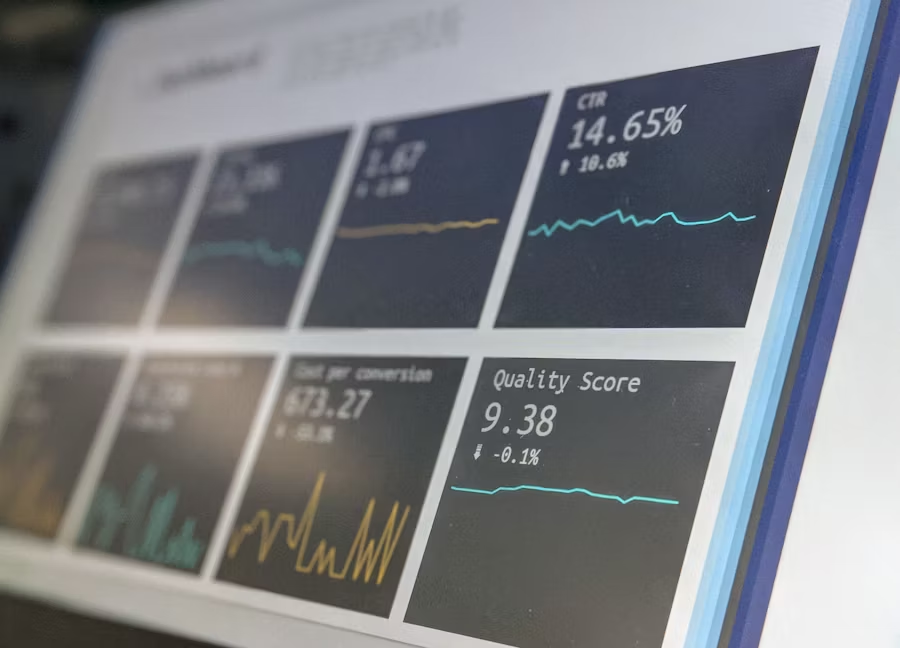
FX Brokers with Copy Trading Features Who Stands Out

For many new traders, diving into the market solo feels intimidating. That’s where copy
trading comes in, it lets you follow more experienced traders and learn from their actions.
Some traders even use it as a passive income stream. But not all copy trading platforms are
built equally. If your FX broker offers this feature, the quality of their system makes all the
difference.

It’s about more than just copying trades

Copy trading should be about learning as much as earning. A good platform gives you
access to in-depth data on the traders you’re copying. That includes their win rate, maximum
drawdown, average trade duration, and risk score. You want transparency, not just a
leaderboard with percentages and usernames.

A professional FX broker will give you these details upfront. That way, you can make
informed decisions instead of blindly following someone based on one good month.

Control over your copy trades is essential

Even though you’re copying someone else’s trades, you should never feel locked in. Can
you change lot sizes? Stop copying a trader whenever you want? Manually close trades that
feel risky? The best copy trading systems give you full control.

An experienced FX broker understands that traders want flexibility. Maybe you want to
follow a trend trader in one account and a scalper in another. Your broker should let you
adapt as needed without jumping through hoops.

Top brokers leading the copy trading game

Right now, a few brokers are making copy trading more professional and user-friendly.
eToro remains a giant in this space, offering a social-style platform that shows deep trader
profiles and performance stats. Pepperstone has integrated with services like DupliTrade
and Myfxbook AutoTrade, giving clients access to proven strategies.

IC Markets also stands out by offering solid execution paired with access to third-party
networks. These brokers understand that strong copy trading requires more than just a plug-
in, it needs a full ecosystem of transparency, speed, and support.

Costs, commissions, and who really gets paid

Some copy platforms charge followers a performance fee, while others fold it into the
spread. It’s important to know how the traders you’re copying are compensated. If the FX
broker gets a cut of every trade, even unprofitable ones, that could influence the system’s
integrity.

The best brokers are upfront about how their copy trading models work, including who gets
paid, how much, and when. Hidden fees can slowly eat into your account, especially if you’re
not monitoring them.

Copy trading can be a stepping stone

You don’t have to use copy trading forever. Many traders start with it, learn by observing
others, and eventually shift into independent strategies. A strong FX broker will support that
evolution by offering not just copy features, but also education, analysis tools, and demo
environments to practice on your own.

Copy trading, when offered properly, is one of the most powerful ways to fast-track your
understanding of the market. Just make sure you choose a broker that treats it seriously and
gives you more than just a list of popular traders to follow.

The Role of South Africa’s Mining Sector in Influencing Currency Market Trends

The mining operations of South Africa operate as the backbone of the economy while influencing both
domestic employment statistics and worldwide commercial operations. The nation possesses significant
reserves of gold, platinum, and multiple beneficial mineral substances. The mining resources in South
Africa produces substantial fluctuations in foreign exchange, which trigger psychological responses among investors. The performance of the national currency depends heavily on mining industry
because commodity price changes directly determine what exporters receive for their resources.
Foreign capital investment flows into South Africa when global demand for minerals increases, resulting
in a rise of the exchange rate. When mining industry conditions deteriorate, the exchange rate weakens
due to increased economic uncertainty.

A currency’s market response depends heavily on commodity price levels. Increased prices of gold and
platinum lead mining companies to obtain greater export revenues, which they use to attract increased
foreign investment. The increased demand from investors leads to a strengthened market value of the
local currency and potential appreciation of its exchange rates. The decrease in mining revenue levels
accompanies falling prices, which causes investors to shift their interests toward risk-averse assets.
Higher prices of imported goods result from currency rate changes, which produce inflationary pressures throughout the economy. The mining sector links with international markets because its financial results synchronize with worldwide economic conditions.

The achievement of South African foreign exchange market investors depends directly on mining
developments and they track both commodity price changes and how exchange rates move. The success of South African foreign exchange market investors hinges on mining sector output, which produces substantial currency market risks through extreme changes of exchange rates. The market confidence of investors gets affected by political choices, labor actions, and industrial regulations, which therefore impact currency exchange rates. Market participants thoroughly examine these factors because they need to adjust their strategies according to changing market conditions. Currencies become volatile when the mining sector faces disruptions, but miners consider stability indicators as signals of economic growth.

South African mineral exports play a crucial role in reinforcing currency value alterations since major
economies depend on these exports for their international trade operations. Trade alliances between
countries prompt economic manufacturers to change their production levels, affecting the monetary
demand of their national currencies. When exports remain active, they operate as stabilizers of currency
value, but international trade weakness leads to currency depreciation. The financial sector, together
with government institutions, closely monitor currency patterns because these changes influence
national interest rates and income patterns. Mining, international trade, and FX trading, together with
currency exchange markets, exist in a complex network that demands consistent competition in the
sector.

Market data from the mining sector commonly guides foreign exchange traders when they capitalize on
currency fluctuation patterns. Trading experts who track commodity market effects on exchange rates
obtain better abilities to choose profitable currency positions. International FX trading companies
implement currency hedging approaches to reduce potential exchange rate risks that affect their
operations. Through this forward-thinking strategy, companies can reduce financial risks, which enables
them to stand strong against market challenges resulting from outside economic factors. Effective risk
management strategies allow businesses and investors to tackle market uncertainties, which helps them
achieve success in currency trends stimulated by mining sector dynamics.

The worldwide mineral market modifications will position the South African mining sector as a leading
player in currency market operations. The link between exporting natural resources, foreign investment,
and currency exchange rates explains why the mining sector supports economic stability. Market
participants who recognize these relationships gain better capabilities to make strategic moves
regardless of trade or investment selection, or policy reforms. The active transformations in international
commodity exchanges will sustain mining’s ability to mold currency markets throughout the upcoming
years.

The Role of Kenya’s Central Bank in Shaping Currency Market Trends

The Central Bank of Kenya has an essential responsibility to supervise the country’s currency market
stability and direction. The primary monetary policy institution handles exchange rate management by
adjusting interest rates, controlling foreign exchange reserves, and conducting market intervention. The
implemented measures create conditions for stability in the Kenyan shilling, which instills trust among
businesses, investors, and the general public.

Central bank interest rate decisions directly affect the current exchange rates of the currency. Increases
in interest rates attract foreign capital into the market because investors search for investment
opportunities yielding higher returns. A rising demand for the currency enhances its value, which
relatively decreases import costs and controls inflationary trends. Low borrowing rates stimulate
economic growth but may result in a decline in currency value. Thorough analysis of interest rate
decisions from FX trading professionals occurs since central bank rate decisions consistently result in
substantial price swings.

The central bank manages its foreign exchange reserves actively to influence the availability of funds
throughout the market. The purchase or sale of international currencies through central bank
intervention works to keep the Kenyan shilling stable in value. Organized interventions from the central
bank become necessary during times of market instability to protect against excessive currency
fluctuations. The currency market benefits from such actions because they generate predictable
patterns that benefit both domestic companies and foreign investors.

The global economic environment impacts Kenya’s currency, meaning the central bank needs to revise
its approaches. Third parties at work, such as commodity value shifts together with political events and
changes in international interest rates, affect the strength of the shilling. International market instability
typically results in higher demand for safe-haven currencies, which generates changes in monetary
movement between different regions. Most traders in the FX trading market use broader economic
factors to make decisions about possible opportunities.

For Kenya’s central bank, inflation control represents a significant priority due to its destructive effects
on purchasing power and the economic stability of the nation. The bank controls monetary policy
instruments to balance economic growth and the rise of inflation rates. A stable currency system allows
businesses to make accurate plans while reducing import prices, which fuel sustained economic growth.
Regular inflation monitoring by traders and investors leads to close attention on these trends because
they can predict central bank actions.

The effectiveness with which central banks present their financial policies to the public determines the
confidence levels held by the public regarding the financial system. The provision of transparent future
policy intentions enables businesses, together with investors to undertake well-informed choices.
Exchange rates remain unstable when monetary policy changes without prediction because market
uncertainty arises. The successful functioning of a currency market demands clear communication from
established policies maintained at all times.

The Central Bank of Kenya applies strategic management to multiple elements for achieving economic
stability. Currency values achieve controlled changes when proactive monetary policies operate at the
same time as market influences. Market trend knowledge enables traders and investors, alongside
businesses, to recognize currency trading possibilities.

Vehicle Lifespan: When Is It Time for an Upgrade?

Running a vehicle for work means more than just keeping it clean and roadworthy. Over time, all vehicles show signs of ageing—even if you take good care of them. For professional drivers, knowing when to upgrade is important not just for comfort, but for safety, costs, and customer experience.

Here’s how to spot the signs that it might be time to say goodbye to your old car and hello to something newer.

1. Rising Repair Costs

If you find yourself visiting the garage more than usual, it could be a clear sign your car is getting tired. Small problems like worn brakes or tyres are normal, but frequent engine trouble or electrical issues can quickly add up.

The more time your car spends off the road, the more money you lose—especially if you rely on it for private hire or executive transport work. At some point, constant repairs can cost more than a newer model would.

2. Poor Fuel Efficiency

Older cars often burn more fuel. Engines lose performance over time, and outdated systems aren’t as efficient as newer ones. If your weekly fuel costs are creeping up without driving more miles, your vehicle could be using more than it should.

Modern hybrids and electric vehicles now offer much better efficiency—making a strong case for upgrading if fuel is eating into your profits.

3. Passenger Experience Matters

If you’re working in private hire or executive travel, your passengers expect a certain level of comfort. Worn seats, rattling doors, or outdated features like manual windows can make your service feel unprofessional—even if your driving is top-notch.

Today’s passengers notice the little things. A clean, quiet, modern ride helps build trust and can lead to better ratings or more tips.

4. Safety and Technology Gaps

Newer vehicles come with better safety features. From emergency braking and blind spot sensors to lane assist and parking cameras, these tools help protect both driver and passengers.

If your current car lacks these systems, upgrading could make your job safer and less stressful. Many insurance providers also consider safety features when calculating premiums, including chauffeur insurance.

5. Insurance Considerations

The age and condition of your vehicle can affect your cover. If you work in luxury or executive hire, your insurance should cover the unique risks associated with carrying passengers in executive vehicles. That’s where chauffeur insurance comes in—it’s designed for drivers offering a premium experience.

An older car may still qualify, but upgrading to a newer model could give you access to better terms or lower rates. Specialist providers offer chauffeur insurance plans for high-end and private hire vehicles, with a cover that matches the unique risks of the job.

6. Emission Zones and Local Rules

Cities like London and Birmingham have low-emission or clean-air zones. Older diesel or petrol cars may be subject to daily charges if they don’t meet emission standards. Upgrading to a hybrid or electric vehicle can help you avoid these fees—and show passengers that you care about the environment, too.

If your car doesn’t meet current rules, switching may be the only way to keep working in these areas.

No vehicle lasts forever. Even with good care, there comes a time when the costs, risks, and passenger experience just don’t match up anymore.

Knowing when to upgrade is part of running a smart, successful driving business. Whether you drive VIPs, business clients, or airport passengers, making the switch at the right time protects your income and your reputation.

When you decide to invest in a new vehicle, don’t forget to update your chauffeur insurance to match. With the right car and the right cover, you’ll be ready to deliver a professional service—miles ahead of the rest.

Strategic Fleet Insurance: Protecting Your Vehicles, Drivers, and Business 

Managing a fleet of vehicles is more than just tracking mileage and ensuring timely maintenance. It’s about safeguarding your business from potential risks that could disrupt operations. One of the most critical components in this process is having the right fleet insurance. Beyond meeting legal requirements, the right insurance strategy can protect your vehicles, drivers, and overall business operations from unexpected financial setbacks. 

Why Insurance is Essential for Business Stability 

Fleet insurance isn’t just about compliance—it’s about ensuring business continuity. Accidents, thefts, and operational disruptions can cause more than just immediate financial losses; they can impact your company’s reputation and long-term profitability. Fleet insurance provides a safety net, covering a range of risks under one comprehensive policy. This holistic approach minimises the administrative hassle of managing multiple individual policies while ensuring consistent coverage across your entire fleet. 

Consolidated Coverage for Operational Efficiency 

One of the standout benefits of fleet insurance is the convenience of managing all your vehicles under a single policy. Whether you operate a handful of delivery vans or a large commercial fleet, consolidated coverage simplifies renewals, claims processing, and policy updates. Instead of juggling paperwork for each vehicle, you can streamline your insurance management, saving time and reducing the risk of coverage gaps. 

This efficiency isn’t just administrative—it often translates into cost savings. Insurers frequently offer      bespoke fleet pricing, often      recognising the reduced risk associated with well-managed fleets. This means you can secure comprehensive coverage without inflating your insurance budget. 

The Role of Driver Safety in Managing Insurance Costs 

Drivers are the backbone of any fleet operation, and their safety directly impacts your insurance premiums. Insurers closely evaluate driving records, accident histories, and risk management practices when determining rates. This is where proactive driver safety programs become invaluable. 

Investing in driver training,  advanced driving courses, and regular safety assessments can significantly reduce the likelihood of accidents. Some insurers even offer premium discounts for fleets that implement formal safety protocols. Not only does this improve driver well-being, but it also helps control insurance costs, making safety a smart business investment beyond its ethical importance. 

Streamlining Claims for Minimal Downtime 

An often-overlooked aspect of fleet insurance is the claims process. After an incident, every moment your vehicle is off the road affects productivity and revenue. Choosing an insurer known for efficient, hassle-free claims handling can make a substantial difference. 

Look for providers with strong track records in claims support, quick processing times, and responsive customer service. Some insurers even offer dedicated fleet claims teams, ensuring your business receives prompt attention when it matters most. A streamlined claims process reduces downtime, helping your fleet get back on the road faster with minimal disruption to your operations. 

Ensuring Legal Compliance and Avoiding Penalties 

Fleet insurance isn’t just smart business—it’s      a legal      requirement     . Operating without adequate coverage can result in hefty fines, legal liabilities, and      the suspension of business operations. Additionally, insurance regulations can change over time, especially for companies operating in multiple regions. 

Staying informed about evolving legal requirements ensures your business remains compliant and helps you navigate complex insurance laws and avoid potential penalties.  

Boosting Business Reputation Through Reliable Insurance 

Comprehensive fleet insurance doesn’t just protect your assets; it also enhances your business’s credibility. Clients, partners, and even employees are more likely to trust a company that demonstrates a strong commitment to safety and risk management. 

When prospective clients see that your fleet is well-insured, it signals reliability and professionalism—key factors in securing contracts, partnerships, and customer loyalty. In industries where reputation is everything, having robust insurance coverage can set your business apart from competitors. 

The Impact of TradingView Charts on Forex Trading

Forex trading, with its high volatility and global scope, demands precision and adaptability. Traders require tools that provide real-time insights, advanced analysis capabilities, and a user-friendly experience. TradingView Charts have become a cornerstone for forex traders, offering unparalleled charting tools, customizable features, and a vibrant community to support informed decision-making.

Real-Time Data and Global Market Coverage

One of the most significant advantages of TradingView Charts for forex trading is access to real-time data from multiple global exchanges. Forex markets operate 24/5, and TradingView ensures traders are always in sync with the latest price movements, whether they’re monitoring major pairs like EUR/USD or exotic pairs like USD/THB.

Additionally, TradingView provides data on macroeconomic indicators such as interest rates, GDP, and employment figures. These fundamentals are crucial for understanding the factors driving currency fluctuations, making TradingView a comprehensive tool for forex traders.

Multi-Timeframe Analysis

Forex traders often rely on multi-timeframe analysis to understand both the overarching trend and intraday opportunities. TradingView Charts allow users to seamlessly switch between timeframes or display multiple charts simultaneously. For example, a trader might analyze the daily chart to determine the overall trend while using a 15-minute chart to refine entry and exit points.

This capability eliminates the need for multiple platforms, streamlining analysis and execution.

Advanced Technical Analysis Tools

Forex trading is heavily reliant on technical analysis, and TradingView delivers with a robust suite of tools. Traders can access popular indicators like Moving Averages, Bollinger Bands, and Fibonacci retracements to identify trends, measure volatility, and pinpoint potential reversal zones.

The platform also supports custom indicators through Pine Script, allowing traders to create or use tailored tools to suit their strategies. Whether it’s designing a breakout scanner or combining RSI with MACD, TradingView provides the flexibility forex traders need to innovate and refine their approaches.

Alerts for Proactive Trading

In forex trading, missing a critical price level or market event can have significant consequences. TradingView’s customizable alert system helps traders stay ahead of the game. Alerts can be set for:

  • Price reaching specific levels.
  • Indicator crossovers or divergences.
  • Trendline or channel breaks.

Alerts are delivered via email, SMS, or push notifications, ensuring traders are informed in real time, regardless of where they are.

News Integration and Economic Calendars

Forex markets are heavily influenced by geopolitical events and economic data releases. TradingView integrates live news feeds and economic calendars directly into its platform. Traders can track upcoming events such as interest rate decisions, non-farm payroll reports, and inflation data, all while analyzing their charts.

This combination of technical and fundamental insights ensures a well-rounded approach to forex trading.

Community-Driven Ideas and Collaboration

One of the standout features of TradingView is its active community of traders. Forex traders can share their analyses, discuss strategies, and learn from others by engaging with published ideas and discussions. The ability to view annotated charts from experienced traders provides valuable insights, particularly for those looking to refine their skills.

Backtesting and Strategy Optimization

Successful forex trading requires constant improvement, and TradingView offers tools to backtest strategies against historical data. Traders can replay market movements to see how their strategies perform in different conditions. This iterative process helps identify strengths and weaknesses, ensuring strategies are robust before being applied in live markets.

Mobile and Cloud-Based Accessibility

Forex trading often requires staying connected to the markets at all times. TradingView’s cloud-based platform ensures that traders can access their charts and settings from any device, whether it’s a desktop at home or a smartphone on the go. This continuity is essential for forex traders who need to react to market changes quickly.

Risk Management and Precision

Forex trading involves managing leverage and volatility, making risk management critical. With TradingView, traders can integrate position sizing tools, monitor key levels, and set alerts to enforce disciplined risk management. The ability to analyze potential risks visually enhances decision-making and minimizes emotional trading errors.

TradingView Charts have transformed forex trading by offering a comprehensive suite of tools that cater to every aspect of the trading process. From real-time data and advanced technical analysis features to community collaboration and mobile accessibility, TradingView equips traders with everything they need to succeed in the fast-paced forex market.

Leverage, Spreads, and Fees: Understanding Your CFD Trading Broker Better

CFD trading is an enticing opportunity for traders, offering the ability to speculate on price movements without owning the underlying asset. However, the relationship between traders and their CFD trading broker is defined by critical factors like leverage, spreads, and fees. Understanding these elements can help you optimize your trading strategy and avoid unnecessary costs. Let’s break down these components to see how they shape your trading experience.

The Power and Pitfalls of Leverage

Leverage is one of the key attractions of CFD trading, allowing traders to control larger positions with a fraction of the capital. For instance, a leverage ratio of 1:30 means that with $1,000, you can trade a position worth $30,000. This amplification of buying power creates opportunities for significant gains but also increases the potential for losses.

Your broker determines the maximum leverage available, which can vary depending on the asset class and regulatory environment. While higher leverage can be tempting, it’s important to use it responsibly. A reliable CFD trading broker provides tools such as margin calculators and risk management features like stop-loss orders to help traders manage leverage effectively.

Regulated brokers also follow strict rules regarding leverage limits. For example, brokers operating under the European Securities and Markets Authority (ESMA) regulations cap leverage at 1:30 for major forex pairs and even lower for more volatile instruments. These restrictions aim to protect traders from excessive risk.

Understanding Spreads and Their Impact

The spread is the difference between the bid (sell) price and the ask (buy) price of an asset. It represents a hidden cost that traders incur on every trade, as brokers typically earn their profit through spreads.

Tight spreads are generally more favorable, as they minimize the cost of entering and exiting a trade. However, spreads can vary depending on the market conditions and the broker’s pricing model. During periods of high volatility, spreads may widen, increasing trading costs.

Some brokers offer fixed spreads, providing consistency even during volatile markets, while others offer variable spreads that fluctuate with market liquidity. Understanding your broker’s spread structure can help you make informed decisions and manage your trading costs effectively.

Decoding Broker Fees

Apart from spreads, brokers may charge additional fees that can affect your profitability. These include:

  • Commissions: Some brokers charge a commission per trade, usually on top of a narrow spread. This fee structure is common among brokers offering direct market access (DMA).
  • Overnight Fees: Also known as swap or rollover fees, these apply to positions held overnight. The amount depends on the asset class and the interest rate differential of the currencies involved. For traders holding positions long term, these fees can add up.
  • Inactivity Fees: If you leave your account dormant for an extended period, some brokers may charge an inactivity fee. This can often be avoided by staying active, even with occasional trades.
  • Withdrawal and Deposit Charges: While many brokers offer free deposits and withdrawals, some charge fees based on the payment method or currency conversion.

The best brokers are transparent about these charges, listing them clearly on their websites or within their terms and conditions. A lack of clarity regarding fees is often a red flag.

Trading Smarter, Not Harder

Leverage, spreads, and fees are more than just technical details—they’re key factors that influence your success as a trader. By choosing a CFD trading broker that offers clarity and value in these areas, you can focus on refining your strategies and navigating the markets with confidence. In the end, understanding your broker better equips you to trade smarter, achieve your goals, and build a lasting trading career.