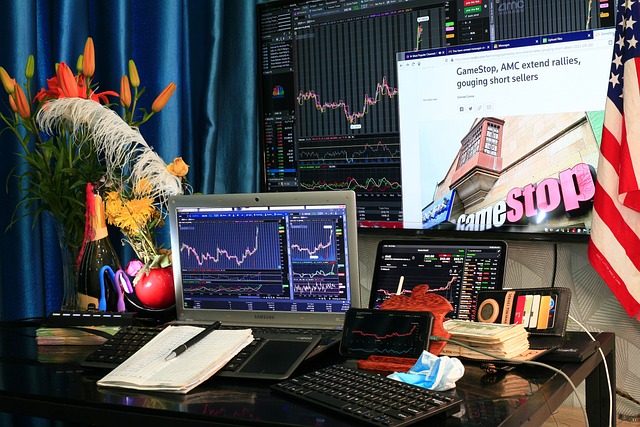

How Spain’s Economic Shifts Shape ETF Investment Strategies

Spain’s economic landscape exerts a powerful influence on its financial markets, particularly when it comes to trading exchange-traded funds (ETFs). The country’s fiscal and regulatory policies play a pivotal role in driving investor behavior and shaping the performance of various ETFs. Understanding how these policies impact the market is key for traders aiming to make strategic decisions in a shifting environment.

One of the most noticeable effects of Spanish economic policy on ETF trading comes from fiscal decisions, particularly those related to taxes and government spending. Adjustments in tax laws, especially around capital gains or dividend taxes, can significantly alter investor strategies. If capital gains taxes rise, for example, investors might shy away from short-term trades, opting instead to hold their positions longer. This shift could reduce overall liquidity in certain ETFs but also lead to greater stability for specific funds, as investors focus on long-term growth.

The influence of Spain’s monetary policies, overseen by both the Bank of Spain and the European Central Bank (ECB), is equally critical. Interest rate decisions can sway investor preferences between bonds and equities, directly impacting ETF performance in these categories. When interest rates are low, bonds become less attractive, pushing investors towards equity ETFs in search of better returns. On the flip side, higher interest rates make bond yields more appealing, often resulting in increased trading activity in bond-focused ETFs. This ebb and flow between asset classes underscores how monetary policy shapes ETF dynamics.

Regulatory changes also play a major role in ETF trading. New regulations aimed at increasing transparency or protecting investors can enhance market confidence, prompting more interest in ETFs. When stricter disclosure requirements are imposed on fund managers, investors often feel more secure, leading to higher investments in ETFs. However, if new rules restrict certain strategies, such as those involving complex derivatives or high leverage, it might curb the growth of riskier or more innovative ETFs. These regulatory shifts can reshape the investment landscape, influencing which ETFs gain traction in the market.

Spain’s policies toward foreign investment and trade agreements are another crucial factor in the growth of ETF trading. When the government introduces measures to encourage foreign capital or makes it easier for international investors to enter the market, ETF volumes often see a boost. ETFs provide a convenient avenue for foreign investors to gain exposure to Spanish markets without the need for direct stock purchases, making these funds an attractive option for global capital. As Spain continues to refine its approach to foreign investment, ETF trading is likely to benefit from increased international interest.

The general state of the Spanish economy, driven by government policies, indirectly influences investor sentiment. When the economy is in a growth phase, investor confidence tends to rise, leading to a stronger appetite for riskier stock-based ETFs. However, during economic downturns or periods of uncertainty, investors often seek safety in bond or commodity ETFs, such as those focused on gold. This shift in sentiment based on the broader economic climate shows how deeply linked market behavior is to government policy decisions.

For traders involved in ETFs, keeping an eye on Spain’s economic policies is critical to understanding where the market might head next. Anticipating changes in government spending, taxation, or regulations allows investors to adjust their portfolios accordingly. If fiscal policies favor certain sectors, for example, traders might increase their exposure to ETFs tied to those industries, hoping to capitalize on improved performance.

It’s also important to consider the broader European Union policies that impact Spain’s market. As part of the EU, Spain is influenced by economic and regulatory developments across Europe. Whether through trade policies, investment regulations, or broader economic initiatives, EU decisions can ripple through Spain’s financial markets, affecting everything from investor sentiment to the performance of specific ETFs. Traders should remain vigilant not just to Spain’s domestic policies but to EU-wide shifts that could have significant consequences for their investments.


The Role of Financial Advisors for Entrepreneurs

For entrepreneurs, navigating the complexities of business finances can be overwhelming. Hiring a financial advisor can provide valuable expertise, helping business owners make informed decisions about investments, tax strategies, and retirement planning. An experienced advisor can become an integral part of a business’s growth strategy.

When selecting a financial advisor, entrepreneurs should consider advisors with experience in their specific industry. This expertise is essential, as it ensures the advisor understands the unique challenges and opportunities that entrepreneurs face. An industry-savvy advisor can offer tailored advice, guiding entrepreneurs through critical financial decisions.

Building a long-term relationship with a financial advisor can yield significant benefits. Regular consultations can help entrepreneurs assess their financial health, develop strategic plans, and identify potential growth opportunities. Advisors can also provide insights on cash flow management and budgeting, helping businesses operate more efficiently.

In addition to day-to-day financial management, advisors can assist in planning for future growth. This includes evaluating financing options, assessing potential investments, and preparing for tax obligations. A comprehensive financial plan can enhance a business’s ability to secure funding, as investors often look for evidence of sound financial management.

Furthermore, a financial advisor can assist in retirement planning, which is crucial for entrepreneurs. Unlike traditional employees, self-employed individuals must take proactive steps to save for retirement. Advisors can recommend appropriate retirement accounts, such as SEP IRAs or Solo 401(k)s, that align with the entrepreneur’s financial goals.

Lastly, it’s vital for entrepreneurs to maintain open communication with their financial advisors. Regular updates on business performance and changes in personal financial goals can help advisors tailor their services effectively.

In summary, financial advisors play a crucial role in guiding entrepreneurs toward financial success. For more insights into the benefits of hiring a financial advisor, visit Forbes.

The Importance of a Strong Crisis Management Plan for Your Brand

Every business will, at some point, face unexpected challenges that could damage its reputation. In today’s world, where information spreads rapidly and public perception can change in an instant, having a strong plan in place to handle these situations is crucial. A solid crisis management strategy allows a brand to navigate difficult moments with clarity and control, reducing the long-term impact on its reputation and operations. The reality is that a crisis can strike at any time, and being unprepared is a risk no business should take.

When a crisis hits, emotions run high, and decisions made in haste can often make the situation worse. Having a well-thought-out crisis management plan ensures that the right steps are taken to address the problem swiftly and effectively. Instead of reacting impulsively, a structured plan provides a roadmap for how to handle different types of crises. This can range from internal issues, such as workplace incidents or financial challenges, to external factors, such as negative publicity or customer complaints. Each type of crisis requires a specific approach, and a clear plan helps guide these responses to prevent escalation.

One of the key components of any effective plan is communication. During a crisis, silence is often interpreted as a lack of transparency or concern, which can lead to further mistrust. A business must be proactive in addressing the situation, offering clear and honest communication to its audience. This doesn’t mean rushing to provide all the answers before all the facts are known, but it does mean acknowledging the situation and letting stakeholders know that it is being handled.

Another important element is defining roles and responsibilities within the organization. When a crisis occurs, there needs to be a designated team that knows exactly what to do and how to act. This team should include key decision-makers who are empowered to make quick, informed choices. Assigning specific roles ahead of time, such as who will handle media inquiries or who will coordinate internal communications, helps streamline the process and avoids confusion during a stressful time. Without clear leadership and delegation, the response can become disorganized, which often leads to greater problems.

It’s also vital to anticipate potential crises before they happen. While no one can predict the future, businesses can take steps to identify vulnerabilities and assess risks. This might include reviewing operational procedures, analyzing customer feedback, or monitoring external threats that could impact the brand. By conducting regular risk assessments, a company can better prepare for what might come its way. This level of preparation is a key aspect of effective crisis management and can make a significant difference in how well a business is able to recover after a difficult event.

The speed of response also matters. In the digital age, news travels fast, and a slow or uncoordinated response can cause irreparable harm to a brand’s reputation. Social media, in particular, plays a major role in how quickly information spreads, whether true or false. Brands must be ready to act immediately, addressing any concerns as soon as they arise and ensuring that their message reaches the right audience. The ability to respond quickly and effectively is a hallmark of strong crisis management. It shows that the business is in control of the situation, which helps maintain trust with its customers and stakeholders.

A well-developed plan is not just a safeguard for when things go wrong—it’s an essential part of any brand’s overall strategy. It provides a sense of security, knowing that even in the face of a major setback, there is a clear path forward. Businesses that invest time and effort into developing a comprehensive plan are better equipped to handle the unexpected and emerge from crises with their reputation intact. In the end, how a brand handles a crisis can define its long-term success, making preparation not just an option but a necessity.

Vietnam’s Financial Future: How CFD Trading is Changing the Game

Vietnam’s financial market is experiencing a major shift, and one of the key drivers of this change is trade share CFDs (Contracts for Difference). CFD trading has become increasingly popular in Vietnam, offering a new and flexible way for investors to engage with the market. With its unique advantages, CFD trading is more than just a trend—it’s transforming how both new and experienced investors can tap into Vietnam’s growing economy.

What Makes CFD Trading Different?

At its core, trade share CFDs allow investors to speculate on the price movements of stocks, commodities, currencies, and more, without owning the actual assets. This means you don’t need to buy shares in a company to profit from its stock price movement. Instead, you enter into a contract based on the price difference between the opening and closing of the trade. If you’ve got a good feel for where the market is heading, this can be an efficient way to make a profit with relatively little capital upfront.

For Vietnamese investors, this is a game changer. CFDs provide access to a wide range of global markets, opening up opportunities that were previously out of reach. You can trade international indices, commodities, or even forex—all from your CFD platform. This diversification is crucial in a fast-moving economy like Vietnam’s, where market conditions can change quickly.

Why Trade Shares Are Popular in Vietnam

The rise of trade share CFDs in Vietnam is tied to the country’s evolving economy. As more Vietnamese people look for ways to grow their wealth, traditional stock market investing might seem slow or limited. CFDs offer a much more dynamic and flexible way to trade, giving investors the chance to profit from both rising and falling markets.

Additionally, CFDs allow for leveraged trading, meaning you can control a large position with a relatively small amount of money. This amplifies both potential profits and risks, so while it’s an exciting way to trade, it’s important to approach it with caution and a solid risk management strategy. Tools like stop-loss orders can help protect your investment by limiting potential losses, making them an essential part of any CFD trader’s toolkit.

The Challenges of CFD Trading in Vietnam

Despite the benefits, there are some challenges that come with trade share CFDs in Vietnam. One of the biggest hurdles is ensuring that the regulatory framework can keep up with this fast-growing market. While CFDs offer exciting opportunities, they also come with risks, especially when it comes to leverage. Regulators are working to ensure that there’s enough transparency and risk management in place to protect investors, particularly those who are new to this type of trading.

Another challenge is investor education. CFD trading isn’t as simple as buying and holding stocks, and there’s a learning curve involved. It’s important for investors to understand how leverage works, how to manage risk, and the potential pitfalls of trading in volatile markets. For those willing to put in the time to learn, however, CFDs can be a powerful tool for building wealth in a dynamic market.

The Future of CFD Trading in Vietnam

Looking ahead, it’s clear that CFD trading is here to stay in Vietnam. The country’s financial market is becoming more sophisticated, and the demand for flexible, efficient investment vehicles like CFDs will only grow. As Vietnam continues to integrate with the global economy, more advanced trading platforms, tools, and educational resources will emerge, making CFD trading even more accessible to a wider range of investors.

This growth in CFD trading also brings more opportunities for financial innovation. As more Vietnamese people get involved in the financial markets, there’s potential for the creation of new financial products tailored to the needs of local investors. This could include CFDs that focus on specific sectors of Vietnam’s economy, such as technology or manufacturing, further deepening the connection between the country’s financial and economic development.

Understanding ETF Trading Regulations in Singapore’s Financial Market

Singapore’s status as a leading global financial hub is not only due to its economic growth but also its comprehensive regulatory framework, which promotes transparency and security in the financial markets. For anyone interested in Exchange-Traded Funds (ETF) trading, it’s essential to grasp the regulations that shape this market. This guide breaks down the key regulatory aspects surrounding ETFs in Singapore, helping investors navigate the landscape with confidence and informed decision-making.

The Monetary Authority of Singapore (MAS) serves as the primary regulatory body overseeing financial activities, including ETF trading. The role of MAS is critical in ensuring the securities market operates in a fair, transparent, and efficient manner, providing a stable environment for both institutional and retail investors. MAS’s guidelines govern all financial products, including ETFs, and ensure that traders are protected under a stringent set of rules that uphold market integrity.

At the core of ETF regulations in Singapore are the listing requirements imposed by the Singapore Exchange (SGX). For an ETF to be listed, it must meet specific criteria, such as having a sizable fund, a clear investment objective, and an appropriate benchmark index. These conditions are in place to ensure that ETFs listed on SGX are of a high standard and accessible to a wide range of investors. By maintaining strict listing criteria, Singapore ensures that only reputable ETFs are available for trading, adding a layer of security and reliability for traders.

Transparency plays a key role in the regulation of ETFs in Singapore. Providers of ETFs must offer full disclosure on the fund’s objectives, asset holdings, and performance metrics. This information is crucial for investors as it allows them to assess the fund’s strategy and risks. Regular updates on this data must be made readily available, ensuring that all participants in the market can base their decisions on the most current and accurate information. This regulatory focus on transparency not only builds trust but also helps investors make more informed and strategic decisions.

In addition to transparency, the management of ETFs is tightly regulated to protect investors. Fund managers who operate these ETFs must be licensed and are expected to adhere to strict guidelines. These rules ensure that fund managers are both qualified and act in the best interest of investors. By enforcing such regulations, MAS ensures that the management of ETFs is conducted professionally and with high ethical standards, reducing the risk of mismanagement and fraud.

Liquidity is another vital aspect of the ETF trading environment, and Singapore’s regulators ensure that liquidity is maintained through the use of market makers. These market participants are responsible for providing continuous buy and sell quotes during trading hours. By doing so, market makers ensure that investors can easily enter and exit positions, which in turn keeps the market functioning smoothly and prevents excessive volatility. Maintaining liquidity is critical in ensuring that ETF prices reflect their true market value, providing fair trading conditions for all participants.

Regulations around synthetic ETFs—those that use derivatives to mirror the performance of an index—are also a key part of Singapore’s ETF market framework. Due to the inherent risks associated with derivatives, MAS requires that these funds implement rigorous risk management procedures. This helps to manage the complexities involved in synthetic ETFs, ensuring that investors are protected from the higher risks that these funds can sometimes carry compared to traditional ETFs.

In conclusion, Singapore’s regulatory landscape for ETF trading is built on the pillars of transparency, security, and market efficiency. The MAS and SGX provide a robust framework that protects investors and ensures the market remains fair and accessible. Traders who take the time to understand these regulations are better positioned to succeed in their ETF investments, aligning their strategies with both their financial goals and regulatory requirements. Staying compliant and informed is key to thriving in Singapore’s dynamic and well-regulated ETF market.

Sector-Specific CFD Trading Strategies in Spain’s Growing Tech Industry

Spain’s rapidly expanding tech sector presents a compelling landscape for investors and traders, particularly those engaged in CFD trading. As the industry continues to advance, with innovations in areas such as software development, biotechnology, and renewable energy technologies, it opens up unique opportunities for those trading CFDs. By adopting targeted strategies tailored to this sector, traders can significantly boost the profitability of their investment portfolios.

Contract for Difference trading, allows investors to speculate on the price movements of tech stocks without needing to own the underlying shares. This type of trading is particularly appealing because it offers high leverage, enabling traders to amplify their exposure with relatively modest capital. However, the tech sector’s inherent volatility, driven by factors like new product launches or regulatory shifts, means that while the potential for high returns exists, so does the risk of significant losses.

To succeed in CFD trading within the tech industry, a thorough market analysis is crucial. This analysis should encompass both fundamental and technical perspectives. Fundamental analysis involves staying informed about the latest industry developments, including technological breakthroughs, mergers, acquisitions, and regulatory changes that can impact entire sub-sectors. Additionally, keeping an eye on broader economic indicators such as investment trends and consumer spending in technology is vital for understanding the market’s direction.

On the technical side, traders need to focus on historical price movements and chart patterns to predict future price behavior. Utilizing tools like moving averages, the Relative Strength Index (RSI), and the MACD (Moving Average Convergence Divergence) can help identify trends and potential reversal points in the market. This type of analysis is especially valuable in the tech sector, where prices can swing rapidly, often driven more by market sentiment and news than by fundamental factors alone.

A strategic approach to CFD trading in the tech sector involves emphasizing scalability and flexibility. Given the fast-evolving nature of technological developments, having strategies that can adapt to changing market conditions is essential. For example, if a particular sub-sector, such as semiconductor manufacturing or cybersecurity, shows signs of rapid growth, traders might choose to increase their positions in these areas. Conversely, in sub-sectors facing regulatory hurdles or intense competition, a more cautious stance might be warranted.

Risk management is another critical element of successful trading, especially in a volatile sector like technology. Effective risk management strategies might include setting stop-loss orders to minimize potential losses and securing profits at predetermined levels to protect gains. Diversification across various tech sub-sectors can also help mitigate risk, as declines in one area might be balanced by gains in another.

Timing is another vital factor in trading CFDs within the tech sector. The timing of entry and exit points can greatly influence trading results. Being aware of key dates, such as product launches, earnings reports, and major industry conferences, can help traders plan their moves more effectively. For instance, a successful product launch could lead to a significant spike in a company’s stock price, creating a lucrative short-term trading opportunity.

Spain’s tech market offers specific regional advantages that CFD traders can exploit. With cities like Madrid and Barcelona emerging as hubs for tech startups and innovation, the sector is bolstered by favorable government policies and increased investment in tech infrastructure. This supportive environment can lead to a thriving market for tech companies, providing fertile ground for CFD traders focusing on this sector.

In conclusion, while trading CFDs in Spain’s tech industry presents substantial growth opportunities, it demands a deep understanding of both the sector’s unique dynamics and the broader strategies for effective trading. Staying informed about technological trends, interpreting market sentiment accurately, and applying robust risk management practices are all essential for traders aiming to capitalize on Spain’s burgeoning tech sector. With the right approach, traders can navigate this dynamic market and optimize their trading results.

Incorporating Market Sentiment into CFD Trading Approaches

In the world of CFD trading, traders often rely on technical or fundamental analysis to guide their decisions. Technical analysis, which involves studying historical price and volume data, is a popular method for predicting asset price movements. However, it can sometimes miss the human element—market sentiment. Market sentiment reflects the collective mood or attitude of investors towards the market or specific assets, and it can significantly influence asset prices, not just in Australia, but globally.

Technical analysis operates on the premise that all available information is already priced into assets. By analyzing price charts, traders try to predict future movements. However, this method often overlooks the emotional and psychological factors that drive market dynamics—where market sentiment comes into play. Market sentiment captures the overall mood of investors, shaped by various influences such as global events, economic reports, news headlines, and even discussions on social media. In Australia, developments like changes in mining regulations, monetary policies from the Reserve Bank of Australia, or shifts in trade relationships can strongly affect investor sentiment, leading to notable market fluctuations.

To effectively integrate market sentiment into their strategies, traders should keep a close eye on a variety of information sources, including social media, financial news, and broader media channels. The rapid speed of digital communication means that markets can react almost instantly to news events, giving traders who are attuned to these shifts an advantage in making informed decisions.

However, filtering out the key drivers of sentiment from a vast pool of information can be challenging. This is where the expertise of a seasoned CFD broker becomes crucial. Reputable brokers often provide a range of sentiment analysis tools and resources. These may include sentiment indicators, expert analysis, and daily market commentary, which help traders gauge the market’s overall mood. Additionally, these brokers offer platforms with integrated news feeds, keeping traders updated with market-moving news in real-time.

While market sentiment is important, it should complement rather than replace technical analysis. For example, if a technical indicator suggests a buying opportunity but an unexpected geopolitical event negatively impacts market sentiment, a trader might rethink the trade. This combination allows traders to validate their technical analysis with current sentiment, creating a more robust trading strategy.

It’s important to remember that sentiment can be volatile, changing quickly in response to the news cycle. While technical analysis provides a structured approach based on historical data, market sentiment offers immediate, though sometimes fleeting, insights into market direction. Therefore, while sentiment is a valuable tool, it requires traders to stay vigilant and adaptable to sudden changes.

The Australian financial market, known for its active commodities trading and dynamic trade share CFDs market, is particularly sensitive to sentiment-driven changes. For those trading share CFDs in Australia, understanding local market sentiment is crucial. This understanding can provide an edge in predicting short-term price movements and enhance the overall effectiveness of a trading strategy.

Incorporating market sentiment into a trading approach can significantly improve its effectiveness, building on the strong foundation provided by technical analysis. By closely monitoring the market’s mood, traders can use collective sentiment as a strategic tool in CFD trading. Partnering with a knowledgeable CFD broker can further enhance the benefits of sentiment analysis, providing traders with the necessary tools and insights to navigate the market’s complexities effectively.

In conclusion, for traders focused on trade share CFDs, combining market sentiment with technical analysis offers a more comprehensive trading strategy. It enables traders to respond not just to the data in charts but also to the emotional currents driving market movements. This dual approach can lead to more informed and potentially more successful trading decisions in the ever-volatile world of CFD trading.

Ear Health 101: The Role of Ear Wax and How to Maintain a Healthy Balance

Ear wax, though often misunderstood and sometimes even regarded as a nuisance, plays a crucial role in maintaining ear health. This natural substance, produced by glands in the ear canal, serves several important functions, from protecting your ears against dust and bacteria to keeping the skin of your ear canal moisturized. Understanding the role of ear wax and how to maintain a healthy balance is key to ensuring your ears remain in top condition.

What Is Ear Wax and Why Do We Need It?

Ear wax, also known as cerumen, is a sticky, yellowish substance that is secreted by glands in the ear canal. Its primary function is to protect the ear from external threats. The ear canal is a delicate area, and without ear wax, it would be more susceptible to infections, dryness, and irritation caused by dust, dirt, and other foreign particles.

One of the key roles of ear wax is its ability to trap dust, debris, and small particles that enter the ear. By doing so, it prevents these potential irritants from reaching the eardrum and causing damage. Additionally, ear wax has antimicrobial properties, which means it helps prevent infections by inhibiting the growth of bacteria and fungi.

Another important function of ear wax is to provide lubrication for the ear canal. This keeps the skin inside the ear moist and supple, reducing the risk of dryness and irritation. Without adequate ear wax, the ear canal could become dry and itchy, leading to discomfort and potential skin issues.

How Does the Body Naturally Handle Ear Wax?

The body has a natural process for managing ear wax. Under normal circumstances, ear wax gradually makes its way out of the ear canal on its own. As you move your jaw—through activities like talking and chewing—the ear wax is slowly pushed toward the outer ear, where it eventually dries up and falls out.

This self-cleaning mechanism means that, for most people, ear wax doesn’t require any special attention. However, problems can arise when the natural balance is disrupted. In some cases, ear wax can build up and become impacted, leading to discomfort, hearing loss, or even infection. This is when ear wax removal might become necessary.

Maintaining a Healthy Balance

Maintaining a healthy balance of ear wax is about understanding when intervention is needed and when it’s best to leave things alone. For most people, the body’s natural process of ear wax management is sufficient, and trying to remove ear wax unnecessarily can actually do more harm than good.

If you do experience symptoms of ear wax buildup—such as reduced hearing, a feeling of fullness in the ear, or discomfort—it may be time to consider ear wax removal. There are several safe methods for this, including using over-the-counter drops designed to soften the wax or visiting a healthcare professional for professional removal. However, it’s important to avoid attempting to remove ear wax yourself using objects like hairpins or paperclips, as this can lead to serious injury.

When to Seek Professional Help

While ear wax buildup is usually harmless, there are times when it’s best to seek professional help. If you experience significant pain, persistent hearing loss, or if you notice discharge from the ear that isn’t ear wax, it’s important to consult a healthcare provider. These symptoms could indicate an infection or another underlying issue that needs medical attention.

A healthcare professional can safely and effectively perform ear wax removal if necessary. They may use methods such as irrigation, suction, or specialized instruments to remove the wax without damaging the ear canal.

Ear wax plays a vital role in protecting your ears and maintaining overall ear health. By understanding its functions and knowing how to maintain a healthy balance, you can avoid common pitfalls and keep your ears in good shape. While the body usually takes care of ear wax on its own, knowing when to step in—and when to leave it alone—can help prevent unnecessary issues. If you ever have concerns about ear wax buildup, don’t hesitate to seek professional advice to ensure your ears remain healthy and functional.