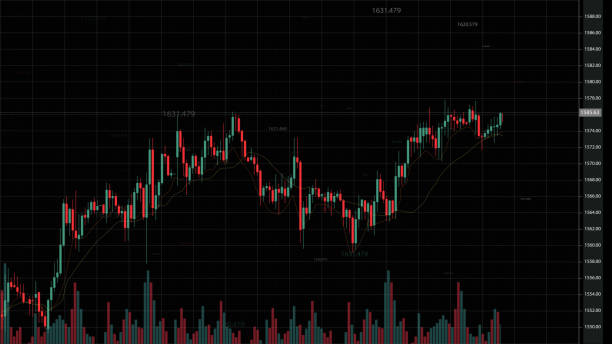

TradingView vs MetaTrader 5 An Honest Comparison for Forex Traders

It is easy to get attached to the first platform you trade on. Many forex traders start with
MetaTrader 5 and stay there simply because it feels familiar. But once they try alternatives
like TradingView, things start to shift. This isn’t a battle of old versus new. It is a comparison
of strengths and trade-offs that every trader should consider when choosing where to chart
and execute their strategies.

The user experience feels worlds apart

One of the first things traders notice when switching to TradingView is how modern and
clean it looks. Navigation is smooth, chart drawing is intuitive, and everything loads fast.
MetaTrader 5, while functional, still carries the look and feel of an older desktop app. For
traders who spend hours analyzing charts, the interface matters more than most admit.

With TradingView, you do not need to download anything. It runs fully in the cloud, which
means you can open your charts from any browser, on any device, and they will look exactly
the same. MetaTrader 5 still relies heavily on desktop setups, and syncing across devices is
not always seamless.

Custom scripting built for different audiences

MetaTrader 5 uses MQL5, a powerful language built specifically for developing expert
advisors and indicators. It is excellent for traders who want full automation and deep control
over every variable. On the other hand, TradingView uses Pine Script, which is far simpler
to learn and more beginner-friendly. While Pine Script has some limitations compared to
MQL5, it is more than enough for developing custom indicators and backtesting strategies.

Most traders don’t need high-frequency automation. They need to test ideas quickly, tweak
visuals, and adjust logic without spending weeks on syntax. In this area, TradingView
makes life easier.

Charting tools are where the difference really shows

This is where TradingView takes the lead. Its charting tools are far more advanced and
visually appealing. Whether you are adding a simple moving average or building a custom
Ichimoku cloud setup, the tools respond immediately and are easy to customize.

MetaTrader 5 has solid charting, but it lacks many of the high-resolution drawing tools and
doesn’t offer the same variety of visualizations. Features like multi-timeframe layouts,
volume profile analysis, and heat maps are more accessible and better presented on
TradingView.

Community and collaboration shape the experience

MetaTrader 5 is largely self-contained. If you want to use scripts or indicators, you usually
download them from external sites or the marketplace. In contrast, TradingView encourages
collaboration. You can view strategies written by others, follow authors, and learn from the
community’s experience.

This creates a sense of shared growth. Forex traders can analyze ideas together, discuss
chart setups, and even run comparisons using real-time charts. That collaborative
environment is hard to replicate elsewhere.

Execution is still MetaTrader 5’s strength

While TradingView is excellent for analysis, MetaTrader 5 has an edge in execution and
broker integration. Most forex brokers are still set up for MetaTrader platforms, offering full
control over lot sizes, leverage, and order types.

This means traders who rely on precision order routing or automated expert advisors will still
prefer MetaTrader 5 for placing trades. Many use both platforms, one for planning, the other
for execution.

At the end of the day, it’s not about which one is better in every way. It’s about knowing your
priorities. If you want a sleek, responsive charting experience and a platform designed around exploration and learning, TradingView is hard to beat. If execution speed and EA
deployment are more important to you, MetaTrader 5 still holds its ground.
Catching False Breakouts Before They Snap Back in Share CFD Ranges

Breakouts are exciting until they are not. One minute, price is surging above resistance and
traders jump in with anticipation. The next, price collapses back into the range, leaving
latecomers trapped and frustrated. This scenario is what many refer to as the fakeout
reversal, and it occurs regularly within consolidating markets. For traders using Share CFDs,
mastering this setup opens the door to clean reversals, controlled entries, and surprisingly
fast profits.

What Makes a Breakout Fake

A fakeout happens when price breaks a key level, such as range support or resistance, and
quickly reverses. The move fails to hold because it lacks true buying or selling conviction.
Sometimes it is caused by a lack of volume, while in other cases, it is the result of larger
players triggering stop orders before fading the move.

In the world of Share CFDs, these moments provide flexible entry opportunities. Since you
can trade both directions without owning the asset, you are not stuck chasing. Instead, you
can wait for the trap to spring and then take the trade in the opposite direction.

Recognizing the Clues Before the Trap Closes

Fakeouts often share several characteristics. The breakout candle may be large and
emotional, but the next few candles struggle to follow through. Volume does not increase as
expected. Or the move pushes just past a level before immediately stalling.

With Share CFDs, this is your moment to prepare. A quick reclaim of the broken level
suggests the breakout was likely false. If a failed high is followed by a bearish engulfing
pattern, or if a failed low is followed by strong buying, the reversal setup becomes valid.

Using Structure to Enter With Confidence

Trading fakeouts is not about prediction. It is about reacting once the move confirms it has
failed. This usually means waiting for a candle to close back inside the range or for a clear
rejection of the broken level. Once this happens, you can structure your trade with a defined
stop and logical target.

Since Share CFDs allow for precise sizing, you can enter with tight stops just beyond the
fakeout point. Your reward is often a return to the opposite side of the range, especially
when traders caught in the wrong direction begin to exit their positions in a panic.

Filtering Setups With Volume and Time

Not all fakeouts are worth trading. Some occur during illiquid sessions or in stocks that lack
follow-through. To improve your odds, look for setups that occur during high-volume periods
such as the open or after news. Volume that fails to expand after a breakout is often a strong
clue that the move lacks strength.

Share CFDs give you the agility to wait and react. You are not forced to guess. The chart
tells the story, and once the reversal begins, you are in a position to take action quickly
without being overexposed.

Turning Range Traps Into Reliable Setups

The fakeout reversal is one of the most repeatable setups in range-bound markets. It preys
on trader emotion and market impatience. Those who recognize it and stay disciplined often
capture the most efficient part of the move.

With Share CFDs, this setup becomes easier to manage. You can enter with smaller
positions during the test and add once the reversal confirms. Or you can trade only the most
obvious setups where price and volume align clearly. Either way, you are reacting with a
plan, not guessing where price will go next.

Getting Started with EUR/USD Trading in 2025 Without Feeling Overwhelmed

Starting something new can be a little intimidating, especially when it involves financial
charts, currency fluctuations, and terms like “pip” and “spread.” If you’re just stepping into the
world of EUR/USD trading, don’t worry, since you’re not alone. In fact, 2025 is an exciting
time to get started, with better tools, more accessible platforms, and a wealth of information
that wasn’t available just a few years ago. The key is to begin with clarity and confidence,
not confusion.

Why This Pair Is Ideal for First-Timers

When you think of a perfect starting point, EUR/USD trading naturally tops the list. This pair
is the most liquid in the Forex market, which means tight spreads, stable pricing, and fast
execution. For beginners, that’s a huge benefit. You’re less likely to run into strange price
spikes or massive slippage, which often frustrates traders on less popular pairs.

It also helps that the euro and US dollar are backed by major economies, with regular news
and data to guide decisions. You’ll rarely find yourself guessing in the dark because there’s
always some analysis available to inform your strategy.

Understanding the Basics Without the Jargon Overload

You don’t need to become an economist overnight. Start with the simple stuff: understand
what affects price movement. Interest rates, inflation, employment data, these are the forces
that push the EUR/USD up or down. Learning to watch economic calendars can help you
prepare for days when the market is likely to move more than usual.

Keep your indicators simple too. Support and resistance levels, moving averages, and basic
trendlines are more than enough to get started. Many beginners get stuck trying to master
advanced systems they don’t yet need.

Avoiding the Trap of Overtrading

One mistake many beginners make is jumping into too many trades. With EUR/USD
trading, it’s tempting to get involved because the pair moves consistently throughout the
day. But more trades don’t mean more success. In fact, they usually lead to overexposure
and burnout.

Instead, choose one or two setups you’re comfortable with. Maybe it’s a breakout during the
London session, or a pullback to a moving average after major news. Keep your focus tight
and your risk per trade small.

Choose Your Platform and Tools Wisely

Not all trading platforms are created equal. Some are designed for professionals, while
others are user-friendly and great for learning. Look for demo accounts where you can
practice with fake money. This helps you get comfortable with order placement and charting
tools without risking real cash.

Many platforms now offer real-time news feeds, trading tutorials, and even AI-generated
insights. These can be helpful, but always remember to verify and backtest any strategy
before using it live.

Building a Routine That Suits Your Life

You don’t need to quit your job or sit in front of charts for eight hours a day. In fact, some of
the most effective EUR/USD trading strategies involve just checking the charts during
specific market sessions like the overlap between London and New York.

Creating a routine helps remove emotion from your trading. When you know when to trade,
how much to risk, and what setups to look for, it reduces stress and increases consistency.
Don’t chase trades, build habits.

Confidence Comes from Simplicity and Practice

The biggest secret most experienced traders will tell you is this: simple strategies done
consistently outperform complicated ones used inconsistently. With EUR/USD trading, the
learning curve flattens out if you stay focused, practice regularly, and track your progress.

2025 brings an even more supportive environment for new traders. With smarter tools,
improved mobile access, and global trading communities, there’s never been a better time to
take your first steps. Just start small, stay patient, and keep learning. This market rewards
preparation not perfection.

Top 5 Things Passengers Do That Annoy Taxi Drivers

Driving a taxi is more than just navigating streets and watching the meter tick. It’s a customer-facing job
that relies heavily on good interactions. Most passengers are polite and respectful, but there are always
a few habits that get under drivers’ skin. Understanding these small irritations can help riders be more
mindful and make every journey smoother for both sides.

One of the biggest complaints is when passengers slam the car door. It might seem harmless, but
repeated slamming can actually damage the hinges and locks over time. Taxi drivers are in their vehicles
all day, and they rely on everything staying in good working condition. A slammed door isn’t just
annoying. It’s a reminder that expensive repairs might be around the corner.

Another common frustration is when passengers give vague or changing directions. “Just go straight, I’ll
tell you where to turn” might work in theory, but during heavy traffic or in unfamiliar areas, it adds
unnecessary pressure. Even worse, some riders wait until the last minute to mention their actual
destination or reroute the trip without warning. This lack of clear communication can lead to missed
turns, longer fares, or disputes about the route taken.

Third on the list is eating in the car without asking. Many drivers don’t allow food in their vehicles, and
for good reason. Crumbs, spills, and lingering smells can affect the experience of the next passenger, not
to mention the cost of cleaning. Even polite passengers can forget that a taxi isn’t their personal space.
Being considerate of the car’s condition goes a long way in keeping the ride pleasant for everyone.

Then there are those who argue over the fare. While some drivers operate on fixed prices for certain
routes, others rely on meters or booking apps. Trying to negotiate at the end of a ride or claiming a fare
“should be cheaper” is not only awkward, it’s unfair. Drivers have running costs, including fuel,
maintenance, licensing, and, most importantly, taxi insurance. Arguing over a few pounds ignores the
bigger picture of what it takes to run a legal, safe, and efficient service.

Lastly, disrespectful behaviour rounds out the top five. This includes everything from being overly
demanding to making inappropriate comments. Some passengers treat drivers like they’re invisible,
while others cross personal boundaries. Being in a taxi doesn’t mean normal manners go out the
window. Like any service job, mutual respect is essential.

What many people don’t see is how much effort goes into protecting the ride behind the scenes. Taxi
drivers in the UK must follow strict regulations to operate legally, and one key requirement is having
proper taxi insurance. This type of insurance can cover public liability, passenger injuries, and damage
to the vehicle during commercial use, depending on the type of policy. It’s not optional. It’s essential.
Without it, a single incident could end a driver’s career.

Beyond the paperwork, there’s also the constant balancing act between providing excellent service and
maintaining personal well-being. Dealing with difficult passengers can be mentally draining, especially
during long shifts. Some drivers develop strategies for staying calm, like listening to music or taking
regular breaks. But even the most patient professionals have limits.

The good news is that most passengers don’t set out to be difficult. Often, they simply don’t realise how
their actions come across. A quick apology after a door slam, a heads-up before eating, or a clear
address upfront can make a big difference. And when things do go wrong, drivers feel more supported
when passengers acknowledge the inconvenience or discomfort caused.

Ultimately, taxi driving is a people’s business. While the vehicle, meter, and navigation apps are all tools
of the trade, it’s the human interaction that defines each ride. Being aware of the little things that cause
frustration and avoiding them helps everyone enjoy the journey more.

And behind every smooth ride is a driver who’s taken care to protect themselves, their passengers, and
their livelihood with the right taxi insurance. It may not be visible during the trip, but it plays a big role in
keeping the service on the road and ready for whatever the next fare brings.

Why Market Liquidity Fluctuations Create Unique Opportunities for Traders

Financial market operations depend heavily on liquidity for determining the conditions through
which daily traders operate. The purchasing or selling capabilities of assets depend on how easily
they can exchange without price distortions. Markets function smoothly as efficiency increases when
there is high liquidity, because spreads remain tight and prices reveal minimal movement. The
market unpredictability caused by fluctuating levels of liquidity provides profitable situations that
professional traders seize rapidly.

The concept of liquidity remains in constant motion, according to traders. Throughout daily
operations, the market value shifts during different periods in response to multiple elements,
including economic statistics, political occurrences, and shifts in market analyst opinions. Market
changes create openings for traders to generate profits, according to experienced traders. The
decline of market liquidity causes prices to stretch beyond normal levels. Market volatility presents
amazing trading opportunities, in the view of experienced market participants who welcome these
moments instead of feeling thrown off balance. The ability to detect changing market liquidity
creates ordinary sessions of trading that turn into substantial profit centers.

Market liquidity changes provide trading opportunities, since they expose discrepancies between
available supply and market demand. Newly released information causes numerous market players
to simultaneously execute buy or sell trades, which exceeds available market liquidity. Changes in
prices hit extreme high or low points, and such market fluctuations allow well-prepared participants
to capitalize on the disrupted conditions. The constant shifts in macroeconomic conditions, together
with central bank decisions, significantly affect global currencies within FX trading. The
understanding of liquidity pockets by traders enables them to obtain financial gains through
effective navigation.

The psychological characteristics of traders make them pursue shifting liquidity. People form the
basis of markets, and fear and uncertainty increase during periods of low market liquidity. Market
participants tend to make excessive price changes during these periods, while displaying irrational
market responses. Traders who have keen perception of market behaviors adapt their investment
strategies through their knowledge of these patterns. These traders navigate panic-induced market
changes by seeking temporary price disruptions, which differ too much from actual market worth.
Such strategic positioning enables traders to gain advantage, which produces market value when
markets demonstrate stability.

The match of technology enables traders to detect and handle changes in market liquidity
conditions. Trading platforms and data analytics tools enable merchants to observe real-time
liquidity changes, while making speedy trading decisions. Algorithms have been specifically designed
to notice changes in market depth, because they execute trades with high levels of precision.
Through technological advancements, traders gained a competitive advantage that permitted them
to challenge financial giants in cases of market fragmentation.

Since liquidity changes open trading opportunities, they simultaneously introduce significant risks to
traders. Skilled professional traders avoid mindlessly pursuing every quick price change in the
market. Risk management tools help them achieve higher financial results, while keeping an eye on
market fundamentals. Market experts acknowledge that not all price variations necessitate
investment, because waiting can bring the best results during times of market unpredictability.

FX traders find the most prominent liquidity-driven opportunities during worldwide market events,
which include central bank statements, along with geopolitical disturbances. Currencies move
rapidly during these times, because of which strategic traders who anticipate moves successfully
capture substantial profits. Many traders spend substantial time examining liquidity patterns,
because they understand the necessity of training their response strategy for markets with varying
conditions.

Market liquidity shifts represent one of the unique elements that make FX trading active and
profitable. The movements cause traders, whose perspective remains stable, to successfully adapt
and open continuous profitable possibilities. Navigating transformation in liquidity becomes the
distinct ability that enables traders to rise above others, regardless of their choosing between
technological assistance or human-dependent techniques.

How Dutch Day Traders Use Multi-Timeframe Charts for Intraday Precision

A day trader achieves success through quick accurate choices made during markets that move
rapidly. The fundamental approach Dutch day traders use for enhancing their trading precision and
decision-making relies on multi-timeframe charts. Traders execute more effective decisions by
studying different time periods which results in improved market trend reports for brief trading
durations. TradingView becomes the exceptional choice for trading platforms since it enables
simultaneous display of multiple timeframes combined with an easy-to-use interface.

A comprehensive examination of currency pairs and assets exists through the multi-timeframe
charts concept because it incorporates different time intervals from one-minute to five-minute and
hourly charts. Dutch traders use concurrent time window analysis because it helps them spot market
trends as well as turning points. The main benefit of TradingView charts is their ability to switch
easily between different chart periods while showing complete market activity. As a trader watches
one-minute prices to detect fast price movements, they can also view an hourly chart which shows
the complete trend and allows them to avoid getting misled by short-term volatility.

The approach proves especially important during unstable market situations that frequently affect
Dutch traders. By employing different time periods in their research, traders create a system which
reduces unpredictable factors so they can detect stronger trading signals. The trader would
potentially delay their entry by waiting or consider adjusting their approach because the shorter
time frame signals contrast the observed trend on longer time spans. TradingView charts allow these
traders to watch micro and macro asset movements which helps them make entries according to
market direction rather than acting on fleeting short-term market shifts.

Dutch day traders use numerous timeframes as part of their risk management strategy. Trading
under fast market conditions creates a high risk that traders will let excitement drive their decisions.
Traders who use various timescales can determine trend strength and establish stop-loss positions
to limit excessive trading while making more informed decisions. This risk prevention approach
creates a protective measure that helps traders schedule their decisions through the combination of
short-term and long-term market insight.

Technical traders use TradingView charts as their revolutionary approach which transforms their
analysis methods. The TradingView charts enable Dutch traders to evaluate different timeframes
including minutes up to daily periods as they monitor important information points. Users of the
platform can utilize platform customization tools to add technical indicators across multiple time
horizons for their analytical purposes. When traders link multiple data points together, they gain
greater ability to choose proper trading moments as well as establish the best timing for market
entry and position exit.

Trading decisions become better while Dutch traders maintain composure during stressful situations
because of their use of multi-timeframe charts. Ranging from seconds to minutes builds confidence
in a trade profession because TradingView brings a clear understanding with precise observation of
details through one consolidated tool. The traders operate swiftly because they rely on analysis
which removes impulses from the process.

Using multiple timeframes in their strategy has completely transformed the way Dutch day traders
operate within intraday sessions. Through TradingView charts and similar instruments, Dutch day
traders can separate market fast movements from real trends to better manage risks and interpret
price direction better. This strategic method brings important clarity and trading confidence into
markets that value precision because traders can make educated, calculated decisions.

Debunking the Most Common MetaTrader 4 Myths New Traders Still Believe

MetaTrader 4 is one of the most trusted and widely used trading platforms in the world.
Known for its user-friendly design and powerful features, it has become a favorite among
forex traders and brokers alike. But along with its popularity, a number of myths and
misunderstandings continue to circulate especially among those who are just getting started.

In this article, we will break down some of the most common MetaTrader 4 myths that still
mislead new traders and clarify what you should really expect from the platform.

Myth 1: MetaTrader 4 Is Only for Forex

Many beginners assume that MetaTrader 4 is designed strictly for forex trading. While it was
originally built with forex in mind, brokers can now offer other asset classes through the
platform, including commodities, indices, and even cryptocurrencies.

Although MetaTrader 5 is better suited for multi-asset access, MetaTrader 4 can still handle
a broader range of instruments than many people think. It all depends on what your broker
supports.

Myth 2: The More Indicators You Use, the Better Your Strategy

This is one of the most dangerous myths and closely linked to overconfidence in tools. New
traders often add multiple indicators to their charts, believing that this makes their system
more accurate. In reality, too many indicators can cause confusion and contradiction.

MetaTrader 4 gives you access to dozens of built-in indicators and supports custom ones,
but that does not mean you should use them all at once. A clean and focused setup usually
leads to better decision-making.

Myth 3: MetaTrader 4 Is Outdated and No Longer Useful

Some traders believe that MetaTrader 4 is no longer supported or relevant now that newer
platforms like MetaTrader 5 are available. The truth is, MetaTrader 4 is still widely used and
actively maintained by most brokers.

It remains the preferred platform for many traders because of its stability, lightweight
performance, and huge library of expert advisors and custom tools. It may lack some newer
features, but for most retail traders, it still does everything they need.

Myth 4: You Have to Be a Coder to Use Expert Advisors

While creating a custom expert advisor from scratch does require some coding knowledge,
there are many free and paid expert advisors available online. These can be installed and
run without writing a single line of code.

MetaTrader 4 also supports strategy builders and script generators that allow traders to
create automated systems through user-friendly interfaces. This makes automation
accessible even to those with no technical background.

Myth 5: MetaTrader 4 Is Only for Manual Trading

Although many traders use MetaTrader 4 for manual execution, the platform was designed
with automation in mind. It includes a built-in strategy tester, supports custom indicators, and
allows for the use of expert advisors on multiple charts.

You can run fully automated systems, semi-automated scripts, or use alerts to guide your
decisions. The level of control is up to you.

New traders are often overwhelmed by the volume of information and opinions surrounding
trading platforms. By cutting through the myths, you can focus on what really matters using
MetaTrader 4 to build, test, and refine your own trading edge. With a clear understanding of
what the platform offers and what it does not, you are better equipped to trade with purpose
and confidence.

Why Some Traders Quit Stocks and Never Look Back

Not every trader sticks with stocks. For some, it starts with small wins, regular charts, and familiar
names. But as they explore more markets, they discover something that shifts their focus a faster, more
flexible way to trade. And for many, that shift leads them away from shares and into something else
entirely.

It’s not that stocks are broken. They still offer long-term value, dividends, and company-driven news
that moves prices. But for short-term traders who value speed, range, and strategy over ownership,
stocks often feel too slow. That’s where the move begins.

Contracts for Difference or CFDs open the door to a different type of trading. They allow you to trade on
price movement without owning the actual asset. It means traders can act on short-term trends, go long
or short easily, and access multiple markets from one account. That level of control changes how people
think about trading.

One reason traders step away from stocks is tied to access. Equity markets often close overnight and
during weekends. By contrast, many CFD products are linked to global markets that run longer hours.
Forex, commodities, indices these stay active when traditional stock exchanges go dark. That extra time
gives traders more chances to react and manage positions.

CFD trading also removes some of the limits that come with share ownership. There’s no need to meet
minimum investment sizes or deal with corporate actions like dividends and voting rights. For short-
term traders, these extras aren’t useful. They’re distractions. CFDs let them focus purely on price
direction.

Another appeal is leverage. With CFDs, traders can control a larger position with a smaller amount of
capital. This doesn’t make things easier it makes them riskier. But for those who manage risk well, the
potential for bigger returns is part of the attraction. It turns smaller moves into meaningful trades.

Traders who make this switch often mention speed. Stock trading, especially through traditional
brokers, can feel slow. Order fills, settlement times, and market hours all get in the way. CFDs remove
much of that friction. Orders fill quickly, and markets are broad from crude oil to tech indexes, all in one
place.

There’s also the matter of clarity. When you trade CFDs, your focus is on the chart. Not on company
earnings calls or CEO interviews. The simplicity of watching price, volume, and key levels makes the
process cleaner. For many, it becomes easier to form strategies and stick to them.

Some traders never planned to leave stocks. They just tested a CFD account and found it more suited to
their style. They realised that what they wanted flexibility, range, and the ability to profit from both
rising and falling markets wasn’t easy to get with shares alone.

Of course, this switch isn’t for everyone. CFD trading involves more frequent decisions and a sharper
learning curve. Mistakes can be costly. But for those who value control over ownership, it offers
something that stock trading can’t easily match the ability to respond instantly, across markets, in any
direction.

The move away from stocks isn’t about abandoning investing. It’s about choosing a path that matches
how you want to engage with the market. And for a growing number of traders, that means letting go of
slow-moving shares and leaning into tools that let them trade with more freedom.

They’re not chasing trends. They’re choosing a structure that fits. One where their time, focus, and
strategies can be used without waiting for a quarterly report or a boardroom decision.

And once they find that rhythm, they rarely look back.