
Why Córdoba Forex Traders Choose Uruguay Brokers

Traders in Córdoba have been seeking a way outside the domestic borders of their country in order to hedge their currency. The currency of Argentina has been very volatile and capital controls have made it costly and unpredictable to trade within the country. Brokerage conditions in nearby Uruguay also present many investors with fewer surprises, superior transparency, and reduced charges. The financial policies of Uruguay are fairly stable, which makes traders believe they will not be caught in the middle of their operations by an abrupt shift in policies.

These cross-border arrangements are especially appealing to small and medium-sized businesses in Córdoba. Exporters often have to be certain about the number of dollars required to make international payments, and a Uruguayan forex broker offers a better perspective of the total costs. These foreign brokers have uniform pricing and more predictable execution time, as opposed to other brokers in the area who charge high spreads or other hidden charges. To businesses where accurate budgeting is critical, this predictability is a necessity for efficiency in managing the business.

The individual investors also stand to benefit when they are able to deal with cross-border brokers. Availability of sophisticated trading platforms, real-time market information, and education can enhance decision-making and mitigate risk. The ability of traders to diversify their portfolio through domestic investments and accounts at Uruguayan brokers will effectively shield part of their capital against local economic shocks. This is the strategic approach that would enable the Córdoba residents to be busy in currency markets without necessarily exposing themselves to the risks of the peso.

There are brokers locally that have tried to compete on the same lines, providing similar services, but the regulations and economic instability do not usually allow them to compete as conveniently and securely as the Uruguayan counterparts. Traders that have encountered delays or unexpected replacement of margin requirements might not be willing to get back to domestic platforms. The credibility established with foreign brokers is further developed through regular service and proper communication, which is more difficult to do in the generally opaque Argentine market.

The Córdoba traders, with the help of Uruguayan brokers, should be concerned about legal compliance and risk management. Investors have to make sure that Argentine laws do not apply in the cross-border transfer but use the protections that the Uruguayan institutions provide. In Uruguay, licensed brokers are subject to strict reporting and separation of funds, which minimize the possibility of mismanagement or fraud. Traders are able to find international markets in the safest and most efficient way by choosing a reputable forex broker carefully.

The more general economic trends are seen in the choice to work with brokers in Uruguay. The shortages of currency, the problems of inflation, and the changes in exchange rates in Argentina have left an environment in which alternatives should be used. The brokers in the adjoining nations offer a means through which Córdoba merchants can keep their money flowing and conduct deals with minimum inconvenience. The skill of negotiating these markets is becoming more competitive as a necessary skill to any professional or individual trader.

Cross-border brokerage arrangements do not only provide financial effectiveness to long-term investors. They offer access to a steady trading environment, enhanced customer services, and improved risk management systems. By adopting such services, Córdoba traders will be in a better position to plan against market volatility and hedge their capital in the long run. Such a relationship in a difficult economic climate has become a strategic requirement as opposed to the convenience of working with a foreign broker.

Due to local market conditions and international brokerage, Córdoba traders will still be able to trade in the currency markets, albeit with reduced risks of domestic restrictions. Knowing the distinction between brokers and ensuring regulatory requirements are well undertaken are among the factors that make transactions safe, transparent, and cost-effective. To most investors in Córdoba, a Uruguayan broker has become the way of accomplishing such objectives.


Why Subtle Enhancements Are Replacing Quick Fixes

A few years ago, beauty marketing loved dramatic reveals. Images promised overnight changes, with “before” and “after” photos showing an almost new person. That spirit still lingers in some corners, but step inside most clinics today and the atmosphere feels calmer. Patients ask about small adjustments, gentle timelines, and treatments that blend rather than shock. This growing preference for subtlety is changing how professionals plan and deliver care.

The shift reflects a new honesty about ageing. Instead of treating it as a battle to be won, people frame it as a process to manage. That mindset encourages incremental changes over dramatic interventions. It’s not only about aesthetics; it’s also about recovery time, risk tolerance, and financial planning. By spreading improvements over months, patients feel more in control and less pressured to gamble on a single high-stakes procedure.

Clinics have responded with an array of softer approaches. They now favour calibrated doses, layered techniques, and combined therapies that work over time. Practitioners explain how each small change influences the whole, like tuning an instrument rather than replacing it. This model builds trust because patients see their own features preserved and enhanced rather than replaced by a template look.

Within this movement, anti wrinkle treatments occupy a central role. Once seen mainly as a blunt tool for freezing facial lines, they now feature in more nuanced plans. Professionals map muscle activity, facial expressions, and skin quality before making any injection. They might apply smaller units across a wider area, aiming for relaxed rather than frozen. This precision gives results that unfold gradually and harmonise with natural movement.

Some specialists compare this approach to conservation rather than construction. They preserve what’s working, reinforce weak areas, and allow natural expression to continue. This stands in contrast to older techniques that sometimes left patients looking surprised or stiff. By taking smaller steps, clinicians reduce the risk of overcorrection and give the skin space to adjust. It also makes retreatment easier, since adjustments can be layered rather than undone.

Of course, this shift carries its own challenges. Not every patient embraces subtlety. Some want clear and immediate proof that a treatment “worked.” Practitioners navigate this tension by showing digital simulations, discussing timelines, and managing expectations. They also acknowledge the limits. Even well-placed anti-wrinkle treatments cannot replace sleep, nutrition, or consistent sun protection. This transparency helps defuse disappointment and sets a healthier tone for the industry.

Technology reinforces the trend. Imaging systems now reveal fine details in muscle contraction and collagen density, allowing practitioners to plan more precisely. Software can predict how different doses will affect a face in motion, encouraging more conservative strategies. Instead of treating every forehead the same way, clinicians adjust technique to each person’s anatomy and expression style.

Economic and social forces matter too. Subtle enhancements cost less per visit and have shorter recovery periods, which appeals to busy professionals. Patients can slip treatments into their schedules without disrupting work or family life. This convenience feeds a culture where beauty maintenance looks more like routine health care than a major event. In turn, it normalises smaller, more regular appointments.

Cultural narratives have shifted as well. Social media, once dominated by extreme makeovers, now celebrates authenticity. Influencers show their treatment journeys openly, revealing tiny but cumulative changes. This transparency makes subtle approaches aspirational. People see that small steps can deliver satisfying results without sacrificing individuality. It’s a quieter form of influence but one that resonates strongly.

Looking forward, practitioners predict a continued move toward integration. Anti wrinkle treatments may be combined with collagen stimulators, skin resurfacing, or energy-based devices to produce layered effects. The idea is not to overwhelm the tissue but to coax it toward renewal from multiple angles. Whether this model becomes the norm will depend on evidence, patient demand, and the pace of innovation. Yet the direction feels clear: less spectacle, more craft.

When High-End Towers Meet Australian Ambition

The skyline of Dubai catches the eye first. Shards of glass, steel spires, and waterfront silhouettes look like the future drawn on the horizon. Australians scanning these towers are not only seeing architecture. They are measuring a shift in how and where to hold wealth. As prices rise at home and global links tighten, more investors look outward for their next move.

The decision to explore luxury Dubai properties for Australian investors has little to do with impulse. It grows from research, comparison, and repeated conversations. Developers in Dubai have built a system that welcomes international buyers. Freehold zones, transparent contracts, and online transactions make ownership possible without long stays abroad. This lowers barriers and invites a broader range of participants, from first-time buyers to seasoned portfolio managers.

Inside these towers lies a different proposition than what Australians see in their domestic market. High floors with panoramic views, lobbies designed like private clubs, pools that stretch across rooftops, and gyms rival professional facilities. These spaces act as mini-cities stacked vertically. They let residents work, exercise, entertain, and retreat without stepping outside. This integration reshapes the concept of an apartment into a hybrid of home and service.

Some investors target rental yields. Dubai’s steady influx of expatriates and entrepreneurs sustains demand for upscale housing. Others focus on early entry into off-plan projects, betting on appreciation before completion. The market accommodates both. Buyers can choose between established towers with proven records or new developments promising modern layouts and incentives.

Marketing now stretches across continents. Developers host events in Australian cities, offer live-streamed site tours, and provide financial structures aligned with Australian pay cycles. This global outreach makes distance feel smaller. It also helps buyers compare properties with clearer information and more responsive communication.

Still, location within the city matters as much as the building itself. Districts such as Downtown, Dubai Marina, and Business Bay each attract different tenant profiles and price trends. Understanding these micro-markets helps investors avoid mismatches between expectation and reality. A striking tower may look impressive but underperform if transport or amenities lag behind.

The risks are not hidden. Currency swings can change returns. Rapid construction schedules can create oversupply in certain areas. Regulations adjust as the market matures. Wise investors counter this with diversification, professional advice, and ongoing monitoring. They treat the purchase as an evolving relationship, not a one-off event.

Sustainability now enters the equation as well. High-end buildings integrate smart systems, efficient cooling, and water-saving technology. Australians familiar with environmental standards at home often seek these features abroad. They view them as a sign of forward planning, lower running costs, and long-term tenant appeal. This gives newer, eco-conscious towers a competitive edge.

In essence, luxury Dubai properties for Australian investors represent more than square footage. They embody a link between two very different real estate cultures: one shaped by vast suburban spreads and another by vertical density. By stepping into Dubai’s market, Australians engage with a city in constant motion, where regulations, technology, and urban design evolve at speed.

That link can be practical too. A property here serves as a base for regional travel, a hedge against domestic market cycles, or an entry point into a network of global professionals. It places the investor inside an ecosystem rather than on its edge.

The third attraction lies in how these purchases shape identity. To own part of the skyline signals confidence, not only in Dubai but in one’s own capacity to navigate a complex international environment. It tells clients, partners, or family that horizons can be extended and that opportunity exists beyond familiar borders.

Towers become more than background scenery. They turn into assets, retreats, and markers of a global outlook. In this way, luxury Dubai properties for Australian investors act as gateways not just to high-rise living but to a broader rethinking of what investment can look like in a connected world.

Inside the Quiet Luxury of Visy Dior Hotel Sydney

Luxury hotels in Sydney often compete on spectacle. Rooftop pools, celebrity chefs, and dramatic architecture dominate their brochures. Yet a quieter form of prestige exists, where comfort and detail matter more than display. This is where Visy Dior Hotel Sydney positions itself, offering a stay designed for travellers who appreciate substance over flash.

Guests arriving at the property find an atmosphere built around discretion. The entrance blends into the street, and the lobby greets without grand gestures. Instead of overwhelming the senses, it creates calm through muted lighting, soft materials, and measured service. This tone signals a commitment to privacy and composure rather than crowded glamour.

Rooms extend this philosophy. Spacious layouts allow natural movement, and every item appears chosen rather than mass-produced. High-thread-count linens, curated art, and subtle scents support a sense of personal retreat. Large windows draw in daylight and provide city views without noise intrusion. Together, these features create a refuge for travellers who want to recharge away from public attention.

Food and drink follow the same pattern. Rather than a single flagship restaurant, guests find multiple small dining areas offering seasonal menus. Chefs emphasise quality ingredients and careful preparation. The result is intimate meals that feel tailored rather than staged. Room service arrives promptly but without intrusion, reinforcing the hotel’s focus on discretion.

Technology and connectivity remain strong yet unobtrusive. High-speed Wi-Fi, integrated room controls, and entertainment systems appear where needed but never dominate. Guests can work or relax without being forced into the hotel’s rhythm. Business travellers often remark on the smoothness of this setup, noting how it allows them to maintain productivity without sacrificing comfort.

The staff at Visy Dior Hotel Sydney reflect its identity. Training focuses on anticipating needs rather than following scripts. Check-in and check-out happen quickly. Special requests receive quiet attention. This approach cultivates trust, which in turn attracts a clientele that values service quality over brand spectacle.

Location adds another layer of appeal. Set within reach of key Sydney districts but removed from the heaviest tourist flow, the hotel allows easy access to cultural and commercial areas while keeping noise and crowds at a distance. Guests can step out for meetings or gallery visits, then return to a calmer environment that feels worlds apart.

Wellness amenities mirror the hotel’s understated character. A spa with private treatment rooms, a fitness studio designed for individual sessions, and a small indoor pool create opportunities for self-care without the atmosphere of a public facility. These services support the idea of travel as a time to restore balance, not only to transact business or consume experiences.

Critics of high-end hospitality sometimes point out that luxury can drift into excess. Here, restraint acts as the guiding principle. Materials last, staff turnover remains low, and the design avoids trends likely to fade within a year. By focusing on timeless qualities, the property maintains its relevance even as the market changes.

For guests seeking events or celebrations, the hotel offers a set of flexible venues. Rather than ballrooms built for spectacle, these spaces prioritise acoustics, natural light, and adaptable layouts. Private dinners, small corporate retreats, and art-focused gatherings suit the tone of the place better than large-scale banquets.

This approach attracts a distinctive guest profile. Executives seeking quiet between meetings, couples looking for a discreet getaway, and travellers who have grown tired of “Instagram hotels” find themselves aligned with the property’s values. They come for a sense of control over their stay, a reliable level of comfort, and a staff that treats them as individuals rather than marketing targets.

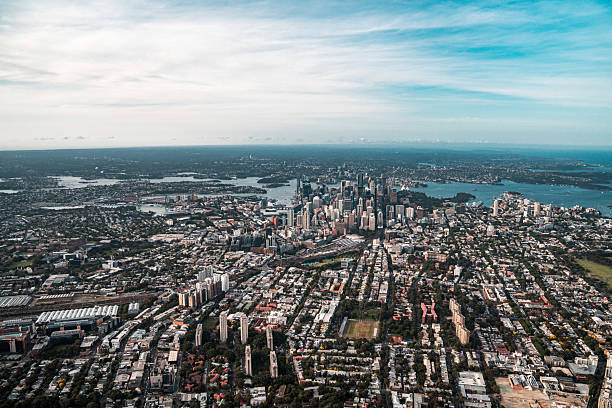
In a city known for its bright harbour and high-rise glamour, this quiet model of hospitality offers an alternative. It invites travellers to step inside, slow down, and find a kind of comfort that endures beyond the trip itself. By choosing substance over spectacle, the hotel sets its own standard one defined not by noise but by lasting ease.

Shaping Confidence Without Chasing Trends

Trends come and go with the seasons. One year it’s sharp contours, the next it’s barely-there natural looks. Yet confidence does not always follow fashion. For many people, lasting self-assurance develops when choices align with personal needs rather than public waves. In this space, treatments aim not to copy but to refine, and that’s where the idea of aesthetic medicine finds its meaning.

Unlike beauty fads that depend on quick attention, this branch of care builds on science. It combines medical knowledge with an understanding of form, balance, and subtle enhancement. The goal is rarely dramatic change. Instead, it’s about improving how someone feels in their own skin while respecting the features they already have. This makes the approach appealing to those who want control over their appearance without surrendering to short-lived trends.

At its core, aesthetic medicine includes a range of non-surgical and minimally invasive options. These might involve injectables, light-based treatments, or advanced skin therapies. Rather than delivering one-size-fits-all results, practitioners adjust each plan to the individual. This can mean addressing fine lines, restoring lost volume, or improving skin tone. The common thread is a focus on natural-looking outcomes and steady progress rather than sudden transformation.

The demand for such care has grown as people recognise the limits of conventional beauty products. Creams and serums can only reach so far. When deeper or more targeted changes are desired, medical expertise becomes essential. Yet with expertise also comes responsibility. Not every treatment suits every person, and not every provider offers the same standards. Research, consultation, and honest discussion remain vital steps before committing.

One defining feature of this field is its emphasis on balance. Small changes in one area can affect how the whole face or body looks. Skilled practitioners therefore assess proportions, movement, and skin quality rather than focusing on isolated spots. This wider view helps prevent the “overdone” look that many fear. It also highlights why trust and training matter as much as the tools used.

People drawn to these treatments often have varied motivations. Some want to soften the visible signs of ageing. Others want to correct features that have long bothered them. A growing group seeks preventive care, hoping to maintain what they have rather than reverse future changes. Whatever the reason, the principle stays the same: to support confidence, not impose a uniform ideal.

It’s worth noting that the best results depend on collaboration. A patient brings their goals and their history. A practitioner brings technical skill and an eye for proportion. Together they choose a plan. This partnership helps ensure that interventions remain appropriate and measured, which increases satisfaction over time.

Critics sometimes argue that such treatments feed insecurity. That risk exists if the motivation is purely external approval. However, when approached with care, these options can instead strengthen self-esteem by aligning outer appearance with inner sense of self. The difference lies in intention and execution.

This is why ethical practice matters. Providers who rush or oversell do harm to both reputation and results. Those who take time to educate clients, discuss limits, and offer alternatives build trust. In an age of constant image-sharing, that trust may be more valuable than any procedure.

Over time, aesthetic medicine has shifted from a niche to a mainstream part of health and wellness. Yet its core remains rooted in precision, science, and respect for individuality. It can help someone feel more like themselves rather than a copy of someone else.

Real confidence grows slowly. It does not appear in a clinic and vanish on the street. It forms from decisions repeated over time, habits maintained, and care taken. Treatments that respect this process tend to support deeper and longer-lasting results.

Most Hotels Offer Perks This One Offers Personality

Some places give you everything you expect. Others give you something you didn’t know you wanted.

That difference shows quickly in how the space feels. Most hotel rooms look the same. Neutral colours. Safe furniture. Polished but forgettable. The kind of setting made to please everyone, yet excite no one.

In contrast, walk into a well-designed boutique hotel in Surry Hills, and the energy shifts. The lighting is warmer. The walls show thought, not just art. Even the hallway seems to suggest you’re in the right place. It’s not luxury that defines it. It’s character.

Travellers who choose these stays are not chasing the biggest pool or the longest list of services. They want something that reflects where they are. A stay with local voice, not global polish. That’s why this type of hotel has earned a loyal following.

Surry Hills, in particular, draws creative energy. It holds layers. Some streets lead to galleries inside old warehouses. Others surprise with late-night bakeries or underground record shops. It’s the kind of neighbourhood where routines feel optional. Guests who stay here often find their plans changing. A quick walk becomes a slow day of discovery.

The right accommodation supports that. A boutique hotel in Surry Hills understands that people don’t just need a bed. They need a reason to remember the space they woke up in. That might mean bold interiors. Or staff who talk like neighbours. Or music that fits the time of day.

Perks have their place. Free drinks, late check-outs, fast Wi-Fi. But they rarely make a story. Personality does. And in this part of Sydney, personality runs deep. It’s in the menus that change daily. The mismatched furniture that somehow works. The quiet confidence that doesn’t ask for praise.

One traveller’s review described it as “feeling seen without being watched.” Those phrasing sticks. It suggests that the hotel knew what made a stay enjoyable, but didn’t force it.

That quality often shows up in simple things. A welcome that doesn’t follow a script. A note that references your reason for staying. A staff member remembering how you like your coffee. Small moments. Quiet signals. Not shouted, not staged.

Even the layout of the rooms tells a story. Open but not empty. Functional but not cold. There’s often a desk, not just a corner table. A full mirror. A chair you’d want in your own home. Those touches shape the stay without drawing too much attention.

A good boutique hotel in Surry Hills doesn’t try to impress every guest in the same way. It lets the guest find what matters to them. Some notice the sound design. Others appreciate the kitchen stocked with local goods. Some just like how the room smells when they walk in.

That flexibility becomes a form of care. And in hospitality, care stands out.

More hotels now try to copy this approach. They add colour to the walls or use the word “boutique” in their branding. But guests can tell when it’s real. True personality isn’t a style. It’s a way of thinking. One that sees the guest not just as a visitor, but as someone worth designing for.

When people return to these places, they don’t say, “That was the one with the great pillow menu.” They say, “That’s the one where I felt at home.” That’s the win. And that’s why some hotels are remembered, even after years.

A good perk gets a thank you. A strong personality gets loyalty.

And for travellers who want more than just a stay, that’s worth booking again.

When a Smooth ETH Conversion Suddenly Slips

For a while, everything works perfectly. You select the coin, pick the currency, confirm the rate, and the system does the rest. The numbers line up, the exchange completes, and you move on. Then one day, the process falters. Nothing huge just a small delay, an unexpected fee, or a total that doesn’t match the preview. The change is quiet but frustrating.

This shift often happens without warning. You check the charts, see no major swings, and feel confident. Yet something behind the scenes starts to drift. A once reliable exchange rate now feels unpredictable. The ETH to IDR flow that looked stable becomes harder to trust.

Several things can cause this slip. Some come from the network itself. When Ethereum gets congested, gas fees spike. That pressure doesn’t always hit right away. It builds quietly. If you’re making a conversion during one of those high-fee windows, your result might shift from the estimate even if the base coin price hasn’t changed.

Then there’s timing. Local platforms may update their prices slower than global averages. A small delay in the price feed causes mismatches between what you expect and what you get. In fast-moving markets, even a five-minute lag leads to noticeable gaps. You think you’re trading at one value, but by the time your transaction clears, the numbers have moved.

Another reason is liquidity. Some platforms have deep pools during peak hours but thin out during quiet periods. When fewer sellers are active, even small orders can push the rate higher. That impact shows up after the trade, not before. A smooth conversion one day might stumble the next simply because the order book changed.

ETH to IDR rates are particularly sensitive to dual movement. Both Ethereum and the Indonesian rupiah carry their own sets of risks. If either asset shifts slightly, the exchange rate reacts. That’s where problems start. A conversion looks routine, but a small dip in the rupiah or a quick gas fee increase makes the outcome worse than expected.

This also affects automated trades. Many users set up recurring buys or timed conversions. These rely on fixed intervals, not market conditions. When one of those conversions triggers during a volatile moment, the result differs from past transactions even though the setup stayed the same. That sudden difference feels like a glitch, but it’s just timing gone wrong.

One overlooked factor involves cross-platform routes. Some exchanges don’t convert directly from Ethereum to rupiah. Instead, they pass through stablecoins or even Bitcoin. Each step adds a layer of cost and risk. If one of those middle assets changes value or becomes congested, the ETH to IDR path breaks its smooth flow.

There’s also a psychological shift that follows the technical one. After a bad experience, users hesitate. They double-check rates, test with smaller amounts, and wonder if the system can still be trusted. That caution slows the process and reduces volume, which in turn affects liquidity. A cycle forms: fewer trades lead to more slippage, which causes more hesitation.

What once felt like a reliable conversion becomes a risk. Not because the system failed, but because the environment changed. The coins stayed the same. The tools didn’t break. But the path between them lost its balance.

Experienced traders adjust by avoiding peak hours, tracking gas metrics, and staying alert to rupiah volatility. Others spread conversions across multiple platforms or wait for clear confirmation before moving funds. It takes effort but the difference can be worth it.

So when a conversion that used to feel easy suddenly stumbles, it’s not random. It’s the result of pressure building across several layers at once.

And sometimes, the smoothest path only stays smooth until something shifts just slightly out of view.

Thai Investors Explore MetaTrader 5 as Platforms Evolve

In Thailand’s financial landscape, the presence of new tools often sparks discussion. Traders compare features, test systems, and decide whether the change is worth the effort. Among these tools, MetaTrader 5 has begun to draw attention. It is not entirely replacing older systems, yet it appears to be carving out a place as investors look for more depth in their trading platforms.

One reason for its growing role lies in flexibility. Unlike its predecessor, MT5 opens access to a wider range of markets, from currencies to stocks and futures. Thai investors who want to diversify find this appealing. The ability to view different assets within one system makes trading feel more streamlined. It suggests that platforms are no longer only about execution but also about offering a window into multiple opportunities.

Speed and performance may also influence adoption. As trading grows faster, the time between decision and execution matters. Traders in Thailand, especially those who focus on short-term positions, seem to value how MT5 manages orders. The sense that the platform can handle busy periods without slowing down builds confidence. Reliability during volatile sessions often shapes loyalty more than cosmetic features.

Education adds another layer to its spread. Brokers provide webinars, guides, and practice accounts to introduce the system. For Thai beginners, these resources lower the barrier to trying something new. For experienced traders, the more advanced charting and analysis tools encourage experimentation with strategies. Even when not all functions are used, the idea of having them available seems to reassure users that they are not limited.

Still, the transition is not smooth for everyone. Some investors hesitate, worried about leaving behind familiar systems. Years of practice on older platforms mean comfort and routine, and the thought of starting over can feel daunting. Yet curiosity persists. The chance to test without large commitments allows many to try MetaTrader 5 gradually, blending old habits with new exploration.

Regulation in Thailand also plays a part. Authorities continue to remind traders about the need for caution and proper oversight. Platforms that work with licensed brokers help ease these concerns. MetaTrader 5, with its established reputation, benefits from this environment. Traders who want both advanced features and a sense of safety may find the balance here. While no tool removes risk, the structure around it can make participation feel more secure.

Cultural factors matter as well. Thai investors often discuss choices in groups, whether online or face-to-face. The opinions of peers weigh heavily. When one trader tries a new system and shares results, others may follow. In this way, the adoption of MetaTrader 5 grows through networks rather than only through advertising. Community influence helps shape momentum, turning individual experiments into collective trends.

For younger investors, the appeal seems clear. They are used to adapting to new apps and technology, so shifting to an updated trading platform fits with their habits. They treat the process not as a burden but as a chance to gain an edge. Older investors may remain cautious, but the visible use of MT5 across forums and broker offerings keeps awareness high.

The future of platforms in Thailand is difficult to predict. Some suggest that newer tools will eventually replace older systems, while others believe both can coexist. What appears certain is that MT5 has established itself as part of the landscape. Its features and flexibility reflect a broader shift toward platforms that do more than execute trades.

The mix of adoption and hesitation defines its role. Traders weigh convenience against habit, features against familiarity. In that balance, MT5 continues to grow. Thai investors, testing and adapting, show how platforms evolve alongside the markets themselves. The journey may not be complete, but the direction seems clear: new tools have a place, and MT5 is one that Thailand’s traders increasingly choose to explore.