
CFD Trading During Ramadan in the UAE

Trading during Ramadan is different in the UAE. Half the market disappears for prayers. Volumes drop to nothing during fasting hours. Smart traders already adjust their strategies while others wonder why their setups stopped working. The regional markets move like molasses until iftar, then suddenly everyone trades at once. Patterns that worked all year break down for thirty days.

Nobody trades well on an empty stomach and three hours of sleep. Concentration goes out the window by 3 PM. Mistakes multiply when blood sugar crashes. Experienced traders cut position sizes in half during Ramadan. Some stop day trading entirely and switch to longer timeframes. The ones who try to maintain normal trading schedules usually regret it by day three.

Regional forex pairs turn into widowmakers during Ramadan. USD/AED spreads widen enough to kill most strategies. Local stock volumes drop so low that getting filled becomes impossible. International markets keep moving normally while regional ones practically freeze. Traders either adapt to global markets or sit out the month. Fighting the seasonal reality just burns money.

Risk control matters more when nobody’s thinking clearly. Tight stops become essential when reflexes slow down. Position sizes need cutting even if it means smaller profits. The heroes who leverage up during Ramadan usually blow their accounts by Eid. Professional traders treat the month like trading during illness. Protect capital first, chase profits later.

Nobody skips iftar to watch charts. Markets don’t matter when the whole family’s waiting. Every social event eats another hour of screen time. Traders get maybe two good hours after everyone goes to bed. Online CFD trading at least allows mobile monitoring between activities. Set alerts, use pending orders, check positions after tarawih. Trying to stare at screens all day destroys both trading results and family relationships.

Technology barely helps when the human element fails. Fancy platforms don’t stop exhausted traders from making stupid trades. Automated systems still need someone watching who isn’t half-asleep. Traders with empty stomachs and three hours of sleep make terrible decisions no matter what software they use. The ones who survive Ramadan trading already know they’re operating at 50% capacity and adjust accordingly.

Many traders use Ramadan for backtesting instead of live trading. Reviewing past mistakes with a clear head beats making new ones while exhausted. Strategy development works better than execution during fasting. Some traders spend the month learning new techniques for post-Ramadan implementation. Education finally gets the attention it deserves when active trading becomes impractical.

Broker support turns useless during Ramadan. Half the staff takes vacation. Response times triple. Account managers become impossible to reach. Email replies arrive three days late. Phone support puts traders on hold for eternity. Anyone needing help during Ramadan better solve problems themselves.

The harsh truth about Ramadan trading is that most people should take a break. Markets will exist after Eid. Accounts survive better through patience than forced trading. Online CFD trading during fasting hours usually creates losses, not profits. The few traders who succeed during Ramadan already accepted these realities and adjusted accordingly. The rest discover that praying five times a day and managing leveraged positions don’t mix. It usually costs them thousands to figure that out.
CFD Trading When the Real Drops 20%

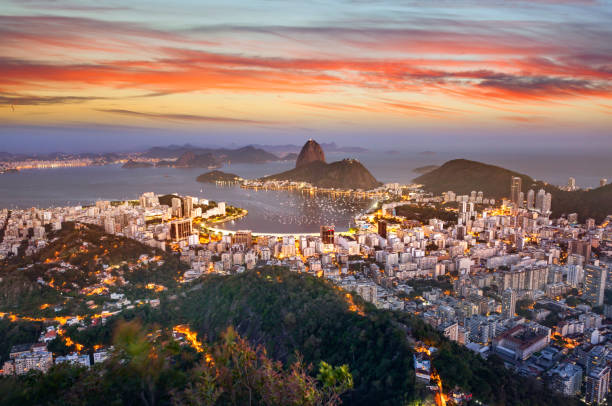
The real dropping 20% isn’t a possibility anymore. It’s just another day. Brazilian traders stopped panicking about currency collapses and started planning for them. Every few years, something breaks. Political crises, commodity crashes, and global recessions usually hit emerging markets first. Smart traders keep dry powder for these moments. The rest watch their accounts evaporate while the currency burns. Nobody acts surprised anymore when the real craters. The only question is whether traders positioned themselves correctly beforehand.

USD/BRL hits 6.00 and everyone becomes a currency expert. Taxi drivers explain why 7.00 is coming. Housewives discuss Federal Reserve policy at the grocery store. Meanwhile, experienced traders who shorted the real at 5.00 count profits quietly. The loudest voices during currency crises never have positions. Experienced traders already moved their stops to breakeven and are deciding whether to hold for 6.50 or take profits before a dead cat bounce.

Brokers exploit real collapses, knowing Brazilian traders get desperate. Spreads on USD/BRL widen to 200 pips. Margin requirements double overnight. Platforms mysteriously need maintenance during the biggest moves. Online CFD trading becomes nearly impossible exactly when traders need it most. The brokers profit from chaos while claiming they’re protecting clients from volatility. Brazilian traders learn which brokers actually serve them versus which ones exploit every crisis.

Leverage cuts both ways during 20% currency moves. Traders who went long USD/BRL with 50-to-1 leverage watch accounts multiplied. Those caught on the wrong side get margin calls before breakfast. The real dropping 2% daily seems manageable until compounding losses destroy accounts. A 20% move with leverage means either retirement or bankruptcy. Most Brazilian traders experience both outcomes multiple times before learning position sizing matters more than being right.

Economic data becomes irrelevant during real collapses. GDP numbers, inflation reports, employment statistics mean nothing when confidence evaporates. The currency drops because everyone expects it to drop. It becomes a self-fulfilling prophecy fueled by algorithmic trading. Charts show support levels that get obliterated in minutes. Technical analysis fails because panic doesn’t follow patterns. Successful traders during real crises trade momentum, not fundamentals.

Brazilian companies with dollar debt get destroyed when the real drops 20%. Retailers importing Chinese goods raise prices immediately. Airlines hedge fuel costs or die. Every sector touches currency risk somehow. CFD traders who understand these relationships profit from equity moves triggered by the currency collapse. Shorting Brazilian airlines while going long USD/BRL doubles the winning trade. The correlation trades become obvious only after smart money is already positioned.

Social media during real collapses turns into a financial doomsday spectacle. Everyone posts charts showing the real going to zero. Conspiracy theories fly around faster than actual prices move. Twitter experts who said buy at 5.50 quietly delete everything. Their followers already lost their savings. The experts already moved on to selling ‘How I Survived The Crash’ courses for 500 reais.

Foreign money runs for the exits during 20% drops. Petrobras is trading like it’s bankrupt. Vale prices like iron ore disappeared. Government bonds paying 20% because nobody believes Brazil exists next year. Brave traders buy what panicked funds dump at any price. Best setups happen when CNN says Brazil is finished.

The real thing takes three years recovering from 20% drops but smart traders make their money in three months. Currency overshoots, bounces, politicians lie about reforms, central bank burns through reserves pretending to help. Same movie every time. Traders who’ve seen it twice know exactly when to buy and sell. Brazilian traders who survived multiple currency crises know the playbook. They wait for specific signals then execute without emotion.

The brutal truth about trading during real collapses is that most traders should do nothing. Watching account values swing wildly while the currency implodes breaks psychology. Online CFD trading during maximum volatility requires experience, capital, and emotional control few possess. The traders making money during 20% drops spent years preparing for these moments. Everyone else becomes their liquidity. The real will drop 20% again because it always does. The question isn’t if but whether traders will be ready when it happens.

Load Shedding Kills CFD Trading Positions

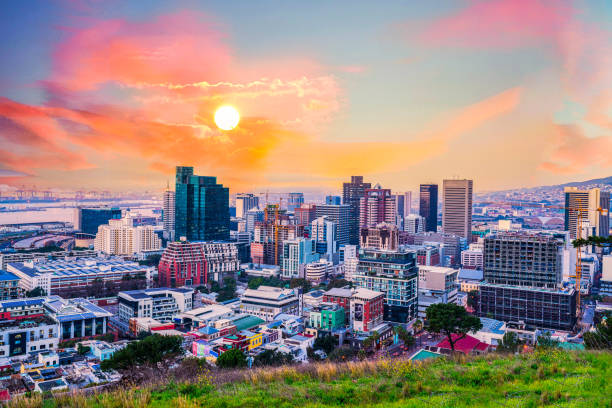
Stage 6 hits at 2 PM, and every CFD trader in South Africa watches positions turn red while screens go black. No internet means no stop losses. No power means no closing positions. Markets keep moving while South African traders sit in darkness calculating losses by candlelight. Eskom doesn’t care that EUR/USD just broke support or that Tesla earnings will be released in ten minutes. The grid fails and trading accounts fail with it.

Backup power became mandatory for serious traders, but UPS batteries died after two hours of Stage 6. Generators run out of diesel during extended outages. Inverters cook themselves trying to power trading setups for eight hours straight. That 10,000 rand position in Apple needs managing, but the laptop died three hours ago. Mobile data towers have no backup power either. Traders refresh apps on phones with 5% battery, hoping positions haven’t imploded completely.

Load shedding’s worst part isn’t even the actual power going out. It’s the uncertainty that gets you. The schedule said 4 PM but it’s already past 6 and still dark. Markets close while traders sit there doing nothing. Positions that needed closing at specific levels got stopped out at the worst prices possible. Online CFD trading requires constant monitoring, but load shedding makes that completely impossible.

Brokers don’t care about load shedding excuses when margin calls hit. Try explaining to Cyprus-based support that positions went bad because Eskom failed. They point to terms and conditions about trader responsibility for maintaining connections. The stop loss that didn’t trigger because power died? Trader’s problem. The profitable position that reversed during four hours of darkness? Also a trader’s problem. International brokers have no concept of systematic infrastructure failure.

Johannesburg traders started trading around load shedding schedules like it is another technical indicator. Check Eskom se Push before checking charts. Plan trades around power availability, not market conditions. Just close everything before Stage 4 hits, doesn’t matter how good your setup is. The infrastructure constraint warps trading approaches completely. Perfect technical setups get ignored because implementation requires electricity that might not exist.

Coffee shops with generators became trading floors during load shedding. Vida e Caffè in Rosebank packed with laptop traders during Stage 6. Everyone competes for WiFi bandwidth while ordering minimum items to justify table space. The barista knows more about forex pairs than coffee beans because that’s all anyone discusses. Trading from places like McDonald’s during power cuts just makes everything worse when you’re already stressed out.

Load shedding split traders into two groups where rich people with solar and batteries keep trading normally while everyone else gets screwed. Getting a decent solar setup with enough batteries for Stage 8 costs at least 200,000 rand. Rich traders in Bishopscourt never lose power while people in the townships can’t even keep their phones charged. Having reliable electricity or not decides whether you make money or lose it. People with backup power keep making gains while others watch their positions get closed at terrible prices.

You can’t time trades anymore when load shedding schedules change without telling anyone. You plan to enter positions when London opens, then suddenly Stage 6 starts two hours early. You’re ready for the New York session and emergency load shedding kills everything randomly. When you never know what’s coming, you can’t really plan anything. South African CFD traders operate like guerrilla fighters, taking quick profits when power exists rather than executing planned strategies.

Mobile trading apps promised solutions, but delivered new problems. Cell towers crash during load shedding when everyone jumps from fiber to mobile data at once. Apps that work fine for quick checks completely fall apart when you need to manage actual positions. Phone batteries die trying to maintain connections to overloaded towers. Traders trying to manage leveraged positions on phones with dying batteries in failing networks learn expensive lessons about infrastructure dependencies.

The real cost of load shedding for CFD traders goes beyond lost positions. It’s a missed opportunity. Tesla announces revolutionary battery technology while South Africa sits in darkness. The Federal Reserve makes an emergency announcement during Stage 8. Chinese markets crash overnight, but South African traders only find out at breakfast. Load shedding ensures South African traders always arrive late. Every time the power goes out, that’s money you could have made just gone because the infrastructure fails. Traders calculate not only what they lost but also what they could have made with reliable electricity. The psychological damage of watching opportunities pass while sitting powerless in darkness might exceed the financial losses. Effective online CFD trading depends on reliable infrastructure, which makes power outages a unique risk in South Africa.

Forex Brokers Sponsoring Kenyan Football Clubs

Forex brokers are becoming more popular in sponsoring Kenyan football clubs. Such alliances also offer much-needed funding to the clubs and brokers exposure to a devoted fan base. Matchday banners, jersey logos and promotions during halftime will assist brokers to target audiences that may not be interested in the traditional advertising. To football clubs, the cash influx is used to meet operational expenses; salaries of players and development programs for the youth.

The fans have observed the increasing numbers of forex brokers in Nairobi and Mombasa stadiums. New sponsors are celebrated through the use of social media, not only the aspirations of the clubs but the enthusiasm of the brokers to invest at the local level. The exposure produces a two-fold impact, as it not only intensifies club revenues, but also introduces more people to various trading sites on the Internet. These brokers are usually researched by enthusiasts who notice their logos on the club.

The football sponsorship marketing campaigns are designed so as to have entertainment and education in it. Brokers have created free seminars at club locations where they provide their audience with tips on how to invest in the world of currency markets, and also with their approach to trading. The online trading idea is exposed to the young fans when they go to the training sessions or matchday events. Such activities are meant to instill trust besides giving incentives in the financial markets.

Clubs report tangible gains from forex broker relationships. Special promotions and merchandise partnerships enable the sale of more tickets because more people are drawn in as supporters. Sponsorship deals can often be used to upgrade training facilities and this enhances performance of the players and also improves the reputation of the club. The symbiotic relationship is not only based on branding, both the brokers and the clubs are also taken as credible people in the local communities and have the ability to increase their sphere of influence.

Openness to brokers occasionally can raise eyebrows amongst fans and analysts. At that, critics state that club values oriented to youth might not coincide with gambling aspects of forex trading. Drawing on brokers who are legal, offer education material and offer financial literacy is a response by those who support brokers. The talks draw on the conflict between the business aspects and social reaction in order of sports sponsorship.

These partnerships are also useful in community programs. Brokers finance projects like after school footballs and financial literacy programs for the youth. Such schedules draw the links between sports and education, providing sports training as well as hands-on skills to children. The positive social impact of clubs is tried out: the sponsorships are aimed at the further development.

The prominent presence of forex brokers in football stadiums affects the actions of Kenyan traders. Familiarity has been created by the brand recognition that may lead fans to start using brokerage platforms on the internet. Brokers who are successful will offer demos, webinars, and personalized support to change interest into active trading participation. This interaction makes the brokers competitive in the market.

Integrated campaigns have been incorporated in matchdays where fans now have a chance to engage in games via quizzes and trading contests and win prizes. The relationship between sports entertainment and finance has a dynamic environment, which prompts active participation of different age groups. Such efforts by clubs help the club to retain fan loyalty and brokers to capture potential clients.

Both brokers and clubs have long-term contracts that make them both stable. Foreseeable funding enables clubs to have a strategic approach in their seasons, whereas brokers have a greater exposure and the loyalty of a brand. The basis of these agreements is the performance stipulations, marketing promises, and community involvement statements. The organized alliances celebrate how professional Kenyan football sponsorships were becoming.

Forex broker sponsorships are changing the way Kenyan football is conducted and executed with the fans. It benefits the clubs by giving them resources, the fans by providing them with educational material and the brokers by increasing their market reach in the local markets. Such alliances reflect the changing convergence of sports and finance in Kenya. The involvement of both parties in visibility, engagement and education will lead to the realization of goals past the stretch of the pitch in ensuring a long-term program in the future of sports sponsorship in the country.

How CPF Money Ends Up with Forex Brokers

Central Provident Fund or CPF is the main type of retirement funds that are supposed to ensure financial security for individuals after retirement; however, this part of the resources occasionally ends up in investment products, such as forex trading accounts. According to some financial advisors, some investment schemes may be used to deposit the CPF contributions in high-yield schemes which may involve investment in currency markets. Although these opportunities are legal as long as they are designed in a proper manner, they tend to be risky as compared to traditional retirement funds. Before such strategies are applied, investors have to be made aware of how their savings are being used. Regulatory oversight and transparency are some of the determinants of the suitability of these investments.

Financial analysts caution that in the event that CPF funds are channeled into investments such as those associated with forex, due diligence is very important. The traders shall be aware of the risks involved in leveraged currency trading, and the possibility of incurring losses within a short period of time. Companies that facilitate such investments must abide by stringent rules to secure the assets of the clients. Those investors who do not explore the processes that led to such allocations can unwillingly subject their retirement funds to market fluctuations and volatility. Education and awareness play a critical role in making sure that CPF contributions are invested in a manner that does not go against long-term financial objectives.

Investors also fail to take into account the routes where their CPF funds are invested. Some of these schemes might be managed accounts or pooled investment vehicles consisting of forex exposure as part of a larger portfolio. Although these structures are meant to maximize returns, they also add layers that make it difficult for individual investors to monitor their funds. It is essential to learn about the position of the intermediaries, such as the financial institutions and the advisors. Reporting and effective communication on the risks involved make the participants make informed decisions on their retirement money.

The Singaporean regulatory system seeks to strike a balance between protection and innovation. Those companies handling the funds related to CPF are required to comply with the regulations established by the Monetary Authority of Singapore, so that the funds entrusted to clients should be separated and correctly controlled. This is of special concern to those investments that carry leveraged instruments such as currency trading which are able to multiply the returns and losses as well. The brokers or firms that are managing these investments should also be licensed and comply at all times. This would see to it that any interaction with the forex market is done in a legal and regulated manner which would reduce the chances of mismanagement or fraud.

Clients who want to invest their CPF funds in other opportunities with a higher yield will always have to find that not every forex broker is appropriate. It is important to select a licensed and reputed forex broker, especially when trading in the currency. Such investments require a forex broker with excellent risk management tools, open reporting and terms of engagement. To a lot of the investors, dealing with tried and tested, a MAS-controlled forex broker will guarantee that their retirement funds will be used responsibly but at the same time, they can realize possible gains through currency markets. Knowing how the funds flow and what protection exists, the CPF contributors will be able to make well-informed choices between opportunity and prudence.

How to Use TradingView to Spot Cryptocurrency Trends

The traders should be able to spot cryptocurrency trends to make profitable and timely decisions. TradingView has a series of tools that may assist traders to discover new patterns and market momentum. Through such functions, traders are able to advance their perception of the direction in which the market is moving as well as they can improve their trade performance.

The traders are advised to start by examining several timeframes. In TradingView, it is possible to see charts down to the minute level or up to the weekly level, hence being able to see how changes may happen in a short period, as well as in the long term. As an illustration, a 1 hour chart can show the short-term price action whereas a daily chart can give the market mood. Comparison of different periods can help one to avoid the mistake of assuming that short-term noises are an actual trend.

Technical indicators are important in the identification of the trend. The most popular tools are moving averages, which assist in identifying the market direction, and the Relative Strength Index (RSI), which is used to indicate an overbought or oversold market. Bollinger Bands and MACD can also be used to confirm the strength of the trend or to identify possible reversals, and they are also available in TradingView. Trend identification is more confident through a combination of these indicators where traders use them.

A further effective approach involves using trendlines and support-resistance levels. TradingView offers convenient drawing tools which enable traders to identify essential levels on which price tends to respond. When higher highs and higher lows are identified, it is a sign of an uptrend whereas, when lower highs and lower lows are identified, it is a sign of a downtrend. Such visual signs are crucial in identifying breakout or reversal opportunities.

Alerts have the capacity to complement trend monitoring without having to observe the chart all the time. TradingView gives traders the ability to make alerts depending on the price levels or on the indicator values or any custom specifications. The alerts are delivered either through email, SMS or even through the application itself and this allows the traders to be quick to respond when the trend starts forming or reversing. When used correctly, alerts help traders capitalize on missed opportunities and save the time of monitoring the screen all day.

One of the important elements of trend confirmation is volume analysis. The volume indicators offered by TradingView also indicate whether the price moves can be supported by the trading volume. The growing volume in an uptrend will indicate the strength and reduction in volume could indicate downward momentum. Watching volume and price action allows traders to distinguish between genuine trends and fake breakouts effectively.

Lastly, it is worth reviewing historical data and trend patterns to have a context. The chart history of TradingView enables traders to observe how similar patterns had been executed in the past. This practice is capable of enhancing the ability to predict the trend and enable traders to foresee potential market responses. Combining past data with current observation improves understanding of cryptocurrency trends.

Effective use of TradingView would allow traders to identify the trends of cryptocurrencies more precisely. Through the integration of the multi-timeframe analysis, technical indicators, trendlines, alerts, and volume evaluation, traders can have a clearer picture of the market direction. A check of the chart history on a regular basis also improves predictability of price movement. The skills of using these tools will enable traders to make and sell at the best time to enhance their level of profitability in the dynamic cryptocurrency market.

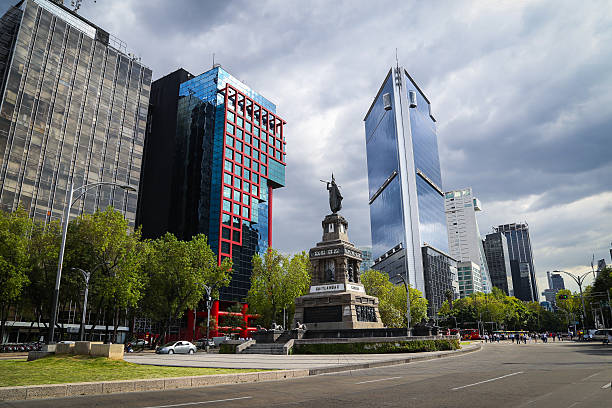
CNBV Lets Forex Brokers Run Wild in Mexico

There has been a steep growth of the forex market in Mexico over the past years and some analysts believe that the Comision Nacional Bancaria y de Valores has permitted brokers to have a lot of leeway in their operations. Existing laws do not provide strict regulation of a forex broker with the possibility of providing high leverage, wide access to currency pairs, and limited trading strategies. Although such freedom has an ability to lure traders who are flexible, it also comes with risks that would remain unknown to less experienced investors. The laxity in the regulatory environment brings opportunities as well as challenges in the Mexican trading environment.

According to the market observers, brokers that are loosely regulated tend to promote aggressive marketing techniques. Advertisements that focus on high returns or easy access to complicated instruments target retail investors without providing all the information about the risks. Traders who have been tempted by such promises often underestimate the chances of making quick losses especially in leveraged positions. The hands-off style of the CNBV has facilitated the ability of these brokers to be more operational compared to their counterparts in more regulated areas, which increases the significance of due diligence.

Brokers who work under weak oversight can be of benefit to investors in that they can bring greater flexibility to the operations. They can provide new platforms, longer working hours and a wide range of asset coverage, such as exotic currencies and commodities. Although the features may improve trading opportunities, they demand that traders possess sound knowledge of market mechanics and risk management. Lacking adequate protection, first time investors may be subjected to a degree of volatility not conducive to their risk tolerance, and therefore education and caution are vital elements of trading in Mexico.

Financial analysts emphasize that Mexican brokers differ primarily in terms of transparency and credibility. Any company with transparent fee patterns, fund segregation available to clients and educational materials will shine in a saturated market. Although the CNBV has a lenient approach, the best practices are embraced by reputable firms on a voluntary basis to create trust and help ensure client retention. The traders have the advantage of evaluating the background and operational history, licensing information, and client testimonials of a broker before putting in capital, especially in a place where regulators are comparatively lenient.

There is a need to exercise great caution when choosing a forex broker in Mexico with respect to both regulatory and operational integrity. The licensed companies, which follow CNBV principles and international standards, are more trustworthy and provide the negative balance protection, real-time warnings, and open margin policies. Brokers have a great deal of freedom and traders who are concerned about these protections will be able to minimize exposure to both operational and market risks even in a regulatory environment where brokers are given a lot of freedom. It is necessary to make informed decisions when it comes to engaging in Mexico which has a rapidly expanding yet loosely regulated forex market.

The relative freedom permitted by the CNBV; this is where Mexico has two faces of the coin concerning the forex environment. Whereas brokers are capable of innovation and offer varied trading opportunities, the traders need to be alert, enlightened, and active. With a careful choice of brokers and their excellent risk management approaches, investors can enjoy the potential of the market and evade the traps that follow when minimal supervision is involved. This dynamic adds significance to education, research and systematic trading in Mexico in the growing forex market.

How Coffee Farmers Became Forex Traders

There is a silent revolution that is taking place in coffee farming communities of Colombia, where a large number of the farmers are resorting to currency trading to boost their income. Unpredictable weather such as volatile coffee prices and increased costs of operation have made farming less predictable as an exclusive source of income. These farmers have entered the financial markets so that they can diversify their sources of income and cushion their families against financial instability. Trading education has turned out to be a strategic option to people who want more guaranteed financial results.

Local farmers and Cooperatives have begun to provide financial literacy and investment strategy workshops. Simple ideas like leverage, risk management, and diversification of portfolios are presented to the farmers. Such programs tend to focus on practice where participants can see how movements in the currency market can affect their returns relative to sale of crops. The training will persuade farmers to take trading as a business decision and not as a gambling decision.

The technology is made available and this has contributed to this change. Cheap smart phones, internet connectivity, and the trading platforms have resulted in the fact that the currency markets have become more accessible to the rural populations. Farmers are able to track worldwide currency developments, conduct business and check accounts at their own house or at their co-operative offices. This connectivity has reduced the barriers to entry and allowed them to join the same markets that were once held by professional traders and institutional investors.

A large number of farmers are in search of a reliable forex broker to carry out their trades without any risk. Choosing the appropriate broker depends on the assessment of licensing, customer service and fee clarity. An effective broker offers facilities and education materials, which assist farmers to make effective trading decisions. Through the collaboration with well-known brokers, these new traders are assured and the chances of becoming victims of the rogue traders are minimized.

Informal support systems have come up in the form of community networks to offer support to farmer-traders. People exchange information, ideas, and tricks, and talk about the situation on the market and the economic processes in the world. These networks act as peer mentoring networks, which assist members in managing the dynamics of currency markets. They also promote responsibility because new traders are able to see what works and what works not before they invest heavily in their business.

Economic analysts note that this trend is an indication of a change in the perception of the rural Colombians towards financial opportunities. Through the addition of trading profits to the farm earnings, the households become resilient to market shocks and agricultural uncertainties. It is also an indicator of a wider openness of traditionally conservative people to become a part of the contemporary financial systems. The agricultural expertise and financial knowledge should be combined to produce a hybrid skill set, which could be beneficial over the long term.

Farmers report that disciplined trading practices like establishing specific risk boundaries and maintaining records are replications of the planning needed in the agricultural operations. The experience of crop management, especially timing, patience and keeping an eye on environmental variables, are surprisingly applicable in the trading practices. This acquaintance with systematized procedures will provide them with a more reliable platform for approaching the currency markets cautiously and tactfully instead of emotionally.

The introduction of forex trading has triggered more innovations in rural finance. Other cooperatives are also considering pooled investment accounts and group trading programs in order to gain more bargaining power among brokers and minimize exposure to individual risk. The collective approaches to these strategies also create community ownership and shared learning. Farmers registered in these programs usually experience better financial results and still are able to uphold their farming obligations.

Integration of agriculture and financial markets is altering the rural Colombian community over the years. People who used to depend on the changing coffee prices can now get incomes through a number of channels. This capacity to deal with a responsible forex broker and develop trading capability will give farmers an extra measure of financial security. This two-fold strategy assists them in surmounting the local market pressures as well as the global economic forces in a manner more sustainable in making livelihoods.