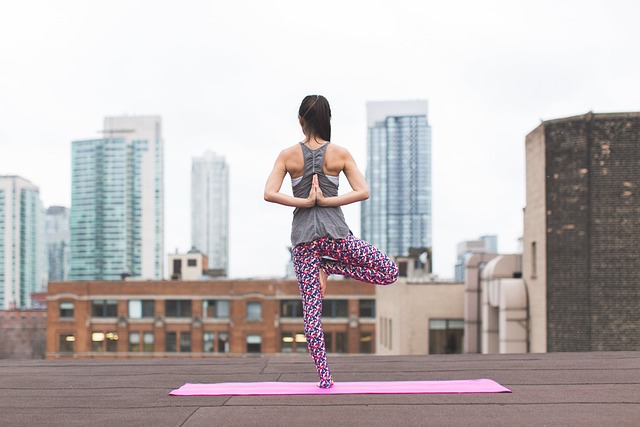
A dedicated training area is essential for safe and productive practice. The first consideration is flooring, as a stable yet cushioned surface prevents unnecessary strain on the body. High-quality mats provide the right level of support for tumbling and stretching exercises, making them one of the most important investments for home training. Some mats are designed for general exercises, while others offer additional padding to absorb impact from jumps and landings.
Another essential piece of home gymnastics equipment is a balance beam. A low beam helps gymnasts refine foot placement, coordination, and stability before transitioning to higher surfaces. Training on a sturdy beam builds confidence and ensures that movements remain precise, even during complex routines.
Building Strength and Flexibility
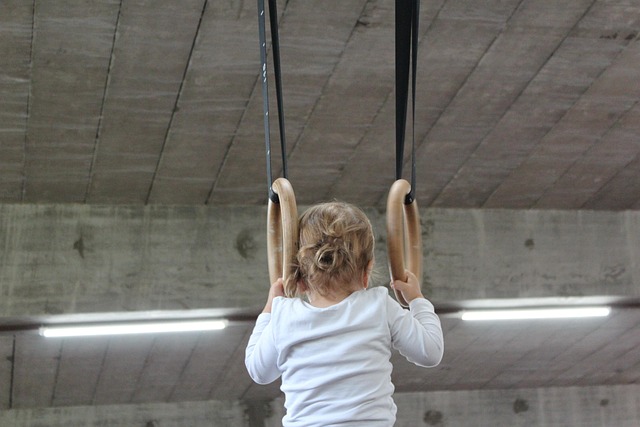
A well-rounded training routine requires equipment that enhances both strength and flexibility. A pull-up bar is an excellent addition to any home setup, as it helps gymnasts develop upper body endurance. Regular use of this bar strengthens the shoulders, arms, and core, all of which are essential for executing controlled movements in various routines.
Resistance bands are another useful tool for flexibility training. These bands allow gymnasts to stretch safely, improving their range of motion and preventing stiffness. Stretching consistently is key to executing advanced movements with fluidity and reducing the risk of injuries.
Parallel bars are also a great choice for those focusing on upper body strength. This apparatus supports core development and improves grip control, both of which are crucial for mastering routines that require sustained holds and smooth transitions. Even at home, gymnasts can use compact parallel bars to refine techniques that involve swinging and controlled balance.
Improving Aerial and Agility Skills
Developing agility and coordination is just as important as strength training. A mini trampoline is a valuable addition to a home gym, offering a safe way to practise jumps, twists, and flips. By training on a trampoline, gymnasts can refine their mid-air control and build the confidence needed to perform similar movements on the floor.
A vaulting block is another useful tool for gymnasts working on explosive power. It provides a stable platform for practising take-offs and landings, ensuring that gymnasts can improve their technique in a controlled environment. The ability to push off a vault correctly is a critical skill, making this training tool beneficial for those aiming to perfect their vaulting sequences.
Enhancing Safety with Support Equipment
Ensuring a safe training experience at home requires the right support accessories. Wrist guards and ankle braces provide additional stability during high-impact movements, reducing the risk of strain or injury. These protective items help gymnasts train for longer periods while maintaining comfort.
Hand grips are essential for those incorporating bars into their training. They improve grip strength and prevent blisters, allowing gymnasts to focus on executing movements without discomfort. Consistent use of grips ensures that training remains smooth, especially during extended sessions.
Sprung flooring is an ideal addition for those who have the space to accommodate it. This type of flooring minimises impact on joints while offering the right level of bounce for tumbling and jumping exercises. Although not every gymnast has access to professional-grade flooring at home, using well-padded surfaces helps replicate the support provided in a gym environment.
Choosing the Right Equipment for Home Training
Selecting the best home gymnastics equipment depends on a gymnast’s skill level and training goals. Beginners benefit from basic tools such as mats, beams, and pull-up bars, while advanced athletes require additional apparatus to refine complex techniques. Investing in durable and well-designed training gear ensures that gymnasts can continue progressing in a safe and structured way.
With the right setup, home training can be just as effective as practising in a professional gym. A combination of strength-building tools, flexibility aids, and impact-reducing surfaces provides gymnasts with everything they need to improve their performance. By choosing high-quality equipment, athletes can train anytime and refine their skills without limitations.