
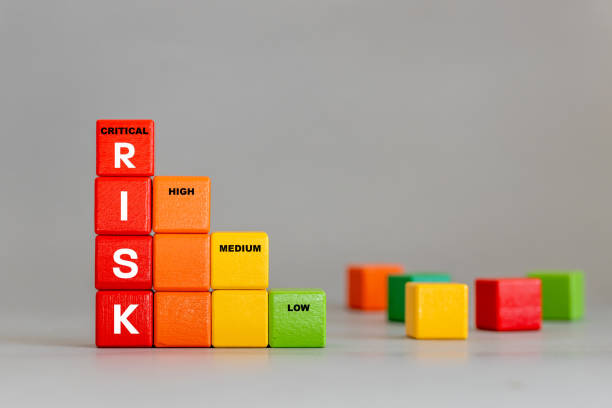
The first area a trader checks is market behaviour. CFD trading mirrors short-term movements, and these movements often react to news faster than expected. A person who follows economic calendars and company reports gains a sense of when volatility could appear. They may not predict outcomes, yet they avoid entering positions when uncertainty feels unusually high. This extra pause gives them time to think. It also stops them from acting on impulse during unstable moments.
Another key point sits in position sizing. Traders sometimes see a small margin requirement and assume they can open large positions without much thought. This choice can damage their account when the price shifts against them. A careful approach uses smaller sizes that match the trader’s comfort level. With manageable exposure, the person withstands adverse moves while still staying in the game. This step may feel conservative, but it often protects them when conditions tighten.
Stop levels form another layer of protection. People sometimes treat stops as something optional, yet they help control losses before they grow. A trader who places a stop at the start of each trade forms a clear boundary. When the market goes in the wrong direction, the stop closes the position without delay. This rule does not remove risk completely, though it gives the trader a way to limit damage. Over time, they refine their stop placement to better match the asset’s usual movement.
Many traders also practise patience by avoiding peak volatility when they do not feel ready. Early mornings, major news releases, or unexpected global events often create sharp moves. Some traders watch these periods from the side. They wait until the chart shows a more stable rhythm. They may miss a fast opportunity, but they also avoid sudden reversals that shake confidence. The ability to step aside becomes as important as placing orders.
Chart analysis supports these habits. A trader who studies support levels, resistance areas, and general trends builds a clearer view of where prices might stall. The trader does not treat these levels as promises. Instead, they treat them as guides that reduce uncertainty. With this information, they plan cleaner entries and exits. They also feel less pressure to chase moves that already travelled far.
During CFD trading, spreads matter as well. Wide spreads increase costs, reducing the reward of each trade. Traders who check spread behaviour at different times of day often adjust their routine. They choose periods with tighter pricing. When they understand how spreads change between quiet and active hours, they avoid placing orders at unfavourable moments. This awareness quietly improves their long-term outcomes.
Another helpful step involves reviewing the platform’s risk tools. Many platforms offer alerts, trailing stops, or built-in calculators. These features allow traders to act with structure rather than emotion. When someone sets alerts near key levels, they avoid staring at charts for long periods. The system notifies them when action is needed. This reduces stress while keeping them informed.
A trader also gains stability by keeping a simple journal. After each trade, they record the reason, the outcome, and the mood they felt at the time. This record shows where mistakes repeat. It also shows what decisions produced good results. Traders often find that emotional reactions, not technical errors, caused most losses. Journals highlight these patterns and guide improvements.
External conditions shape results too. When traders observe global events, commodity swings, or sector trends, they form a broader market view. This helps them avoid taking positions that conflict with obvious momentum. They also learn to act slower when markets show mixed signals. This restraint reduces mistakes caused by forced decisions.
As they grow, traders understand that CFD trading offers opportunity yet demands structure. They keep learning, adjust their habits, and refine their method. They accept that the market can behave in unexpected ways. Instead of chasing every movement, they follow a plan. Their progress comes from discipline rather than perfect timing.