
A gym that supports long-term growth does not rely only on strong instruction. The room itself must help people understand movement, recover between tasks, and stay aware of their surroundings. To shape this environment, coaches study how the training day unfolds from start to finish. Their goal is to build a place where the body learns patterns through steady, repeated exposure rather than through sudden jumps in difficulty.
A major part of this planning involves time management. Training sessions often follow a strict schedule, and the room must keep the pace steady. Coaches focus first on the order in which activities happen. They examine which exercises warm the body, which require full concentration, and which help with cooling down. The layout supports this progression. Stations used for early warm-up sit near the entrance, while higher-focus areas stay deeper inside the room. This arrangement saves time and keeps the session flowing without disruption.
Once the timetable structure is clear, coaches look at how people switch between activities. Frequent bottlenecks slow down progress, especially when large groups train together. To avoid this, coaches design lanes for movement, not just spaces for drills. These lanes let learners walk, jog, or shift position without cutting across other groups. By keeping the flow smooth, the room helps maintain steady learning instead of exposing athletes to long waiting lines.
The planning also addresses equipment handling. Learners and staff move items throughout the session, and these movements must remain safe and efficient. Coaches create dedicated pathways for carrying tools, placing them far from busy training lines. They also choose storage locations that reduce unnecessary lifting or twisting. When people handle tools smoothly, the session keeps its pace and reduces the risk of small injuries caused by awkward movements.
Environmental cues also support steady skill building. Coaches use simple markers to help learners understand direction and spacing, but they avoid clutter. Too many colours or signs overload attention and slow progress. Clear, minimal cues help people orient themselves quickly, even during fast drills. When the environment feels ordered, the mind can stay on the movement instead of the surroundings.
A further part of the setup involves break zones. Skill building does not happen only during movement. Rest periods help the body absorb what it has learned. Coaches place rest areas away from active lanes but still close enough for quick transitions. These areas give learners a place to breathe, stretch lightly, and prepare for the next task. A controlled rest pattern prevents fatigue from building too fast and supports consistent improvement through the session.
Temperature and airflow also play an important role. When the room feels too warm, the body tires faster. When it feels too cool, muscles respond slowly. Stable airflow allows learners to maintain pace without constant adjustments. Ventilation systems must support busy days when many people move at once. A comfortable room keeps trainees focused and reduces unnecessary strain.
Lighting influences this environment too. The wrong lighting creates glare or dull shadows that distract the eye. Coaches choose lighting that keeps the room bright, even, and easy to read. Good visibility helps learners react faster, maintain good technique, and avoid uncertainty during transitions.
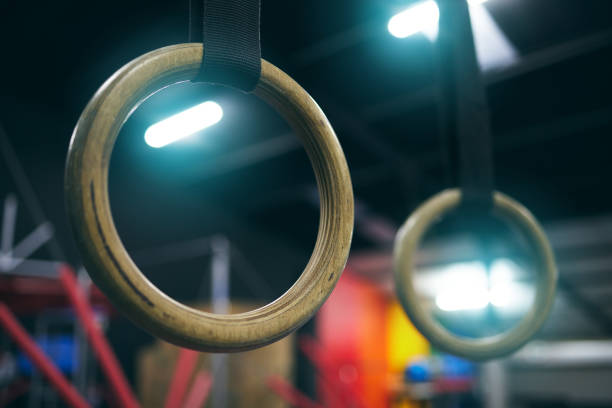
As the final step, coaches analyse how each tool contributes to the rhythm of the session. They use gymnastics equipment in a way that supports the flow instead of interrupting it. Some tools help with fine control. Others support strength or balance. Coaches place each one where it enhances the timetable rather than competes with other tasks. When gymnastics equipment fits the natural rhythm of the session, learners progress with fewer interruptions and more confidence.
With this system in place, the training area becomes a structured environment that follows the pace of skill development. Each part of the room helps maintain momentum, conserve energy, and reduce distractions. By designing the gym around timing, pathways, and clear environmental cues, coaches create a place where learners grow steadily and with purpose. Over time, this structure gives them the consistency needed to build strong, lasting skills supported by gymnastics equipment used with intention.