
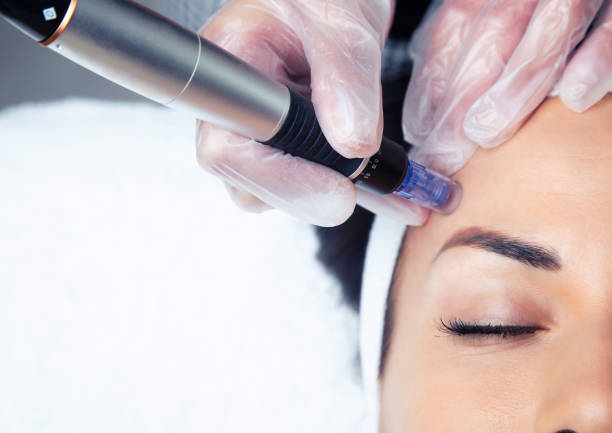
Trends come and go with the seasons. One year it’s sharp contours, the next it’s barely-there natural looks. Yet confidence does not always follow fashion. For many people, lasting self-assurance develops when choices align with personal needs rather than public waves. In this space, treatments aim not to copy but to refine, and that’s where the idea of aesthetic medicine finds its meaning.
Unlike beauty fads that depend on quick attention, this branch of care builds on science. It combines medical knowledge with an understanding of form, balance, and subtle enhancement. The goal is rarely dramatic change. Instead, it’s about improving how someone feels in their own skin while respecting the features they already have. This makes the approach appealing to those who want control over their appearance without surrendering to short-lived trends.
At its core, aesthetic medicine includes a range of non-surgical and minimally invasive options. These might involve injectables, light-based treatments, or advanced skin therapies. Rather than delivering one-size-fits-all results, practitioners adjust each plan to the individual. This can mean addressing fine lines, restoring lost volume, or improving skin tone. The common thread is a focus on natural-looking outcomes and steady progress rather than sudden transformation.
The demand for such care has grown as people recognise the limits of conventional beauty products. Creams and serums can only reach so far. When deeper or more targeted changes are desired, medical expertise becomes essential. Yet with expertise also comes responsibility. Not every treatment suits every person, and not every provider offers the same standards. Research, consultation, and honest discussion remain vital steps before committing.
One defining feature of this field is its emphasis on balance. Small changes in one area can affect how the whole face or body looks. Skilled practitioners therefore assess proportions, movement, and skin quality rather than focusing on isolated spots. This wider view helps prevent the “overdone” look that many fear. It also highlights why trust and training matter as much as the tools used.
People drawn to these treatments often have varied motivations. Some want to soften the visible signs of ageing. Others want to correct features that have long bothered them. A growing group seeks preventive care, hoping to maintain what they have rather than reverse future changes. Whatever the reason, the principle stays the same: to support confidence, not impose a uniform ideal.
It’s worth noting that the best results depend on collaboration. A patient brings their goals and their history. A practitioner brings technical skill and an eye for proportion. Together they choose a plan. This partnership helps ensure that interventions remain appropriate and measured, which increases satisfaction over time.
Critics sometimes argue that such treatments feed insecurity. That risk exists if the motivation is purely external approval. However, when approached with care, these options can instead strengthen self-esteem by aligning outer appearance with inner sense of self. The difference lies in intention and execution.
This is why ethical practice matters. Providers who rush or oversell do harm to both reputation and results. Those who take time to educate clients, discuss limits, and offer alternatives build trust. In an age of constant image-sharing, that trust may be more valuable than any procedure.
Over time, aesthetic medicine has shifted from a niche to a mainstream part of health and wellness. Yet its core remains rooted in precision, science, and respect for individuality. It can help someone feel more like themselves rather than a copy of someone else.
Real confidence grows slowly. It does not appear in a clinic and vanish on the street. It forms from decisions repeated over time, habits maintained, and care taken. Treatments that respect this process tend to support deeper and longer-lasting results.