
Watch an ordinary training session and the most useful items are not always the largest or most impressive. Everyday coaching depends on pieces that can be moved, adjusted and used by athletes at several levels.
Mats are among the hardest-working items in most gyms. They support landings, floor drills, body shapes, rolls, handstands and early progressions. Coaches can stack them to change height, place them beside apparatus for extra protection, or use them to mark a safe working area. Because they appear in so many parts of a session, their size, firmness and condition can influence how easily a coach can set up training.
Low-level training aids are also used constantly. Blocks, wedges, barrels and soft shapes allow a skill to be broken into smaller parts. A beginner may use an incline for a basic roll while an experienced athlete uses the same shape as part of a more advanced drill. This versatility makes such items especially valuable when different groups share the floor. Useful gymnastics equipment often supports more than one purpose instead of being tied to a single exercise.
Portable bars, low beams and floor training lines also see frequent use because they let coaches scale a task. Athletes can practise positions close to the ground before moving to full-height apparatus. This can reduce waiting and give people more repetitions during a session. It also helps a coach keep the focus on one part of a movement, such as body alignment, hand position or balance, without asking the athlete to complete the full skill every time.
Conditioning tools may look simple, but they appear in many programmes. Resistance bands, small weights, sliders and boxes can be used for strength, mobility and preparation. Their value comes from easy access. If athletes can move quickly from technical work to a short strength station, the coach can build conditioning into the session rather than treating it as a separate block that needs another area.
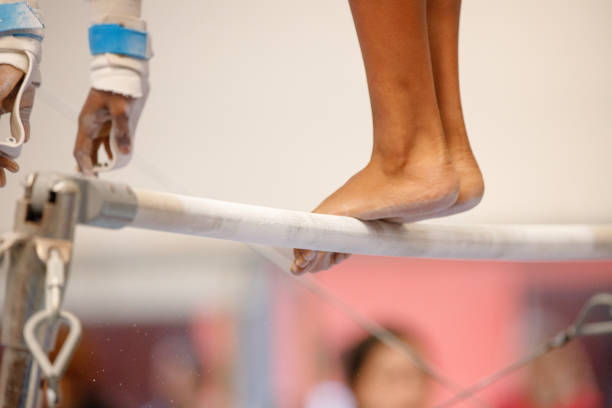
The main apparatus still matters, of course. Bars, beams, vaulting areas, rings and floor spaces give athletes the environment needed to perform complete skills. Yet even these stations often rely on supporting items. A vault drill may need a springboard, blocks and several mats. A bar station may need hand protection supplies, landing mats and a raised surface for the coach. In practice, the everyday usefulness of gymnastics equipment comes from how well pieces work together.
Coaches also tend to favour items that are quick to change between groups. Adjustable heights, manageable weights and clear storage make a difference when a junior class finishes and an older squad begins. Time spent searching for a mat or moving an awkward block is time lost from instruction. A facility that stores common items close to the training area can keep sessions flowing more smoothly.
Frequency of use also says something about quantity. If the same wedge, low beam or landing mat is constantly being moved between stations, the gym may not need a different type of item at all. It may simply need another version of the gymnastics equipment coaches already depend on. That can be a more practical improvement than adding a rarely used specialist piece.
Usage patterns should guide replacement decisions. The most frequently handled mats, blocks and small aids may wear faster than specialist pieces that are used only in certain sessions. Looking at what staff move every day can help a gym decide where maintenance or new purchases will have the greatest practical effect. Coaches can also report which items create queues because there are too few available.
The equipment used most is therefore usually the equipment that makes repetition easier. It helps coaches adapt tasks, create extra stations and keep athletes moving. Major apparatus defines the sport, but the smaller, flexible pieces often determine how productive an ordinary training session feels.