
A house can have one room that looks perfect in a photo and another that saves the day without applause. The second one may be the better measure of how a home really works.
This matters for homeowners in Ireland because daily life often asks a lot from the same space. A grey morning becomes a school rush. A wet coat lands over a chair. Someone makes tea while another person checks a message from work. The room has to hold movement, delay, hunger, noise, and small decisions. It cannot be beautiful only when empty.
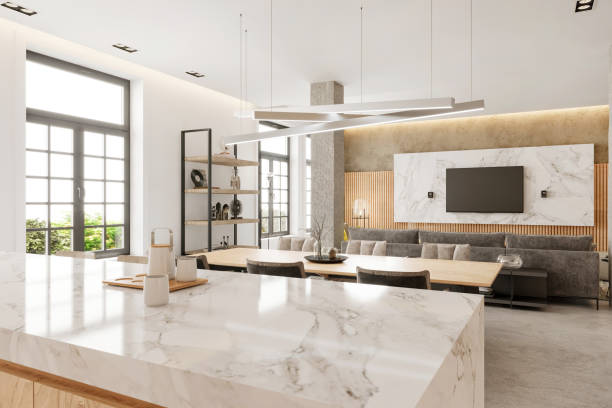
Luxury kitchens are sometimes judged too quickly by the grandest view. A visitor may notice the island, the stone, or the line of lights. A magazine may prefer the widest shot. Yet the owner may value a different moment: finding the mug without thinking, making lunch in ten minutes, or having enough space for two people to move without turning the morning into a negotiation.
The best part of the home may be this quiet usefulness. It is the bit that lowers friction. It lets a parent answer a child while making breakfast. It gives an older relative somewhere to sit without feeling in the way. It lets a person cook after a long commute without facing a room that seems to demand a performance.
This is not against beauty. Beauty matters. A well-made room can lift the whole house. But beauty that ignores routine can become tiring. If every part of the space feels precious, people may start treating the room like a display rather than a place to live. That can make a costly project feel strangely distant.
What should luxury kitchens give back after the first month? They should give time, or at least the feeling that time has not been wasted. A good layout can shorten repeated tasks. A sensible working area can keep the day moving. A comfortable place to pause can make small breaks feel real. These gains may not sound glamorous, but they are felt again and again.
Irish homes can be lively, compact, extended, old, new, or shared across generations. The same design answer will not suit each one. Some households need a space that handles early starts. Others need a calm centre after work. Some need room for children, guests, pets, or a mix of all three. The design has to listen before it speaks.
That listening can change what counts as the “best” feature. It might not be the most expensive surface. It might be the place where someone can set down shopping without blocking the room. It might be the easy reach between breakfast items and the table. It might be the seat that catches the weak afternoon light in winter.
The point is modest but important. A home is not lived in from the best camera angle. It is lived in through repeated actions. The room earns trust when it helps those actions happen with less strain.
There is also an emotional result. When a space works well, people may become more patient inside it. A rushed morning still feels rushed, but it has fewer sharp edges. A late dinner still takes effort, but the room does not add resistance. These are not dramatic improvements. They are small repairs to daily life.
For this reason, luxury kitchens should not be planned only around what guests will admire. They should be planned around what the household will quietly rely on. The showpiece may start the conversation, but the daily relief keeps proving the decision.
The finest room in the house may not announce itself. It may simply make ordinary tasks feel less heavy. In that sense, the best part of a home is often not the part designed to be noticed first. It is the part that keeps giving back when nobody is looking.